
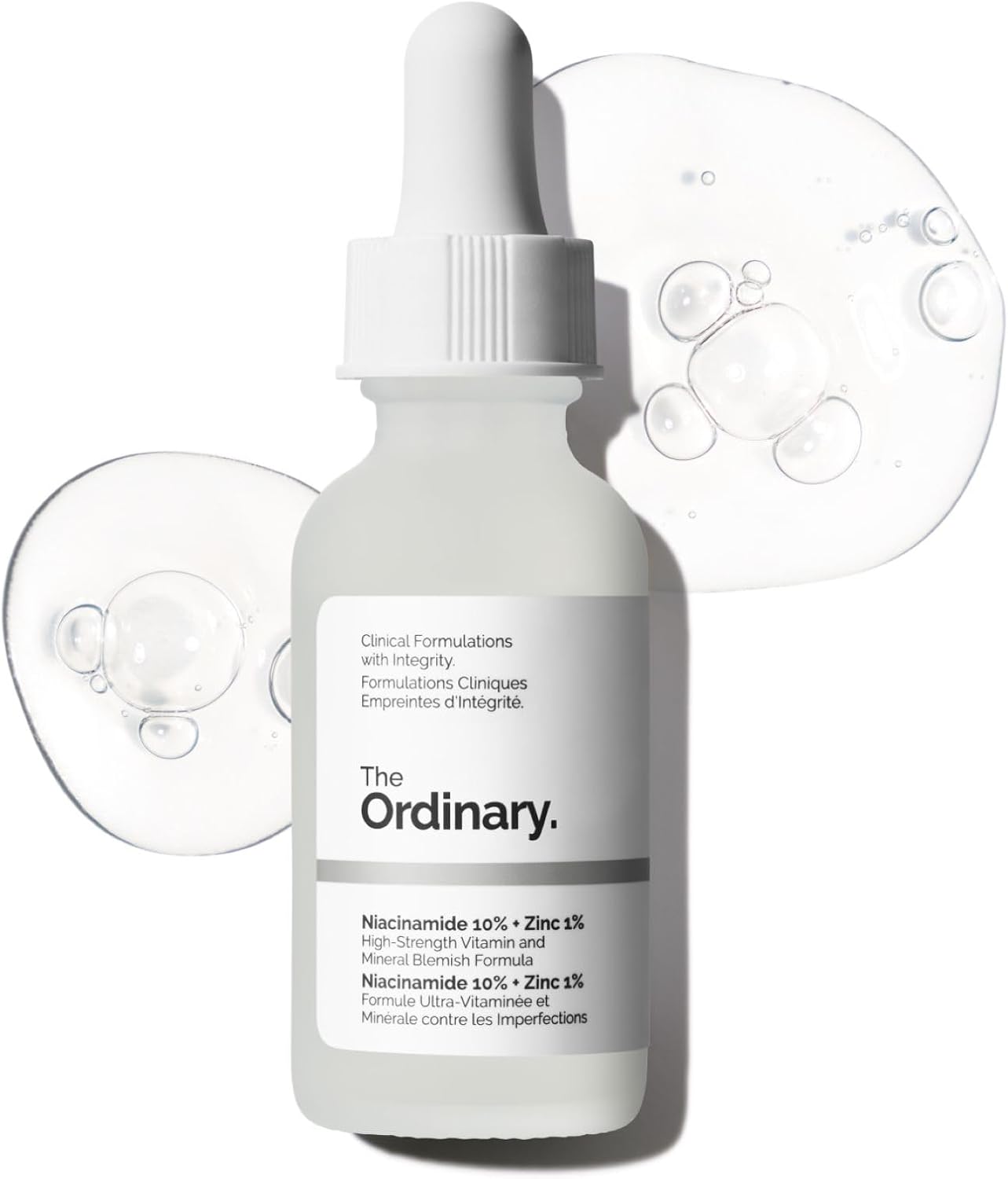
There's a moment in every skincare journey where you realize that the product everyone talks about isn't actually the one that works best. The Ordinary Salicylic Acid 2% Solution sits in that strange space—universally recommended, endlessly debated, and somehow still misunderstood. I've had a bottle in my rotation for over a year, but I wanted to do a proper two-week dedicated test to separate the hype from the actual results. Spoiler: the results are real, but the product isn't without its quirks.
Brand Context: The Ordinary and the Democratization of Skincare
The Ordinary changed the skincare industry when it launched in 2016 under Deciem's umbrella (now owned by Estée Lauder). Before The Ordinary, a 2% salicylic acid serum would set you back $40–60 from a dermatologist brand. The Ordinary offered it for under $7. The brand's entire philosophy is built on transparency—listing ingredient concentrations on the front of every bottle, using clinical packaging, and refusing to dress up simple formulations with marketing jargon. The Salicylic Acid 2% Solution is one of the original products in the lineup, and it remains one of the best-selling BHA treatments in the world. That popularity isn't an accident. It's a straightforward, no-frills formula at a price point that makes active skincare accessible to almost everyone. But accessible doesn't automatically mean suitable for everyone, and that's where the nuance matters.
Ingredient Breakdown: Minimalist BHA Done Right
The full INCI list is short: Aqua (Water), Saccharide Isomerate, Cocamidopropyl Dimethylamine, Salicylic Acid, Hydroxyethylcellulose, Polysorbate 20, Citric Acid, Sodium Citrate, Sodium Hydroxide, Phenoxyethanol, Chlorphenesin. Eleven ingredients total. Let's break down what matters.
Salicylic Acid (2%)
The star of the show. Salicylic acid is a beta hydroxy acid (BHA) that's oil-soluble, meaning it can penetrate through the lipid layers of the skin and dissolve the glue holding dead skin cells together inside pores. At 2%, this is the maximum concentration allowed in over-the-counter leave-on products in most markets. It's the gold standard for treating blackheads, whiteheads, and congested pores because it works where water-soluble AHAs can't—inside the pore lining itself. Salicylic acid also has anti-inflammatory properties, which is why it's particularly effective for the red, inflamed type of acne rather than just surface-level texture issues. The 2% concentration here is clinically proven to be effective for mild to moderate acne and pore congestion, and it's the same strength used in prescription BHA treatments in many countries.
Saccharide Isomerate
This is a sugar-derived humectant that's similar to the natural carbohydrate complex found in the skin's stratum corneum. It binds moisture to the skin and provides a subtle hydrating effect that offsets the drying potential of the salicylic acid. It's a smart inclusion—instead of using glycerin or hyaluronic acid (which would be fine but common), The Ordinary chose a humectant that's less likely to feel sticky or pill under other products. In practice, it gives the solution a slightly silky feel on the skin rather than a purely watery one.
Cocamidopropyl Dimethylamine
This is a mild amphoteric surfactant and conditioning agent. It serves a dual purpose here: it helps the salicylic acid spread evenly across the skin and provides a mild conditioning effect that prevents the solution from feeling harsh or stripping. It's derived from coconut oil, and while it's generally well-tolerated, it's worth noting that cocamidopropyl dimethylamine has been flagged as a potential contact allergen in rare cases. If you have a known sensitivity to coconut-derived surfactants, patch test this carefully.
Supporting Ingredients
- Hydroxyethylcellulose: A thickening agent that gives the solution a slightly viscous, gel-like texture rather than a runny, watery one. This helps the product stay where you apply it instead of dripping everywhere.
- Polysorbate 20: A gentle emulsifier and solubilizer that helps the salicylic acid dissolve evenly in the water-based formula. Without it, the salicylic acid would separate or crystallize.
- Citric Acid & Sodium Citrate: A buffering system that maintains the formula's pH in the optimal range for BHA efficacy (around 3.5–4.0). The pH is critical—too high and the salicylic acid becomes ineffective; too low and it becomes irritating.
- Sodium Hydroxide: Used in tiny amounts to adjust the pH upward if the formula is too acidic during manufacturing.
- Phenoxyethanol & Chlorphenesin: A preservative system. Phenoxyethanol is widely used and well-tolerated; chlorphenesin provides additional antimicrobial protection. Neither is controversial at the concentrations used here.
The formula is fragrance-free, alcohol-free, and silicone-free. It's as clean and functional as a BHA treatment gets. No botanical extracts, no essential oils, no decorative ingredients. The focus is entirely on delivering 2% salicylic acid at the right pH with just enough support to keep it from being unnecessarily harsh.
Texture & Application
The solution is a slightly viscous, clear liquid—thicker than water but thinner than a gel. It has a faint, almost chemical scent that dissipates within seconds of application. Nothing offensive, just the natural smell of the ingredients without any masking fragrance. The dropper bottle dispenses about the right amount per squeeze, though I find that one full dropper is more than you need for the entire face. Three to four drops spread between the fingertips is enough for a full face application.
It absorbs within about 30 seconds, leaving a slightly tacky finish that disappears once you layer a serum or moisturizer on top. On its own, there's a brief period where the skin feels like there's a thin film present—but that's the saccharide isomerate and hydroxyethylcellulose doing their job, and it fades quickly. I applied it only in the evenings, after cleansing and before any serums or moisturizers. The standard BHA rule applies: let it sit for 10–15 minutes before layering other products to give the acid time to work at its intended pH.
Two-Week Wear Test
Skin profile: Combination-to-oily skin with persistent blackheads on the nose, enlarged pores on the cheeks near the nose, and periodic hormonal breakouts along the jawline. Not sensitive, but prone to dehydration if I overdo active ingredients.
Conditions tested: Late summer weather (80–92°F), high humidity, 8-hour office days with air conditioning, outdoor weekend activities, and one evening of heavy sweating during a workout.
Days 1–3: The first three days were uneventful—no stinging, no redness, no purging. I applied the solution every other evening to ease in, which is my standard approach with any active treatment. My skin felt clean and slightly tighter after application, but not uncomfortably so. The tacky finish bothered me a bit on the first night, but I stopped noticing it by Day 2. No visible changes in the mirror yet.
Days 4–7: I switched to nightly application. By Day 5, I noticed that the blackheads on my nose looked less prominent—not gone, but the pores appeared less congested. The skin around my nose felt smoother when I ran my finger across it. One small hormonal cyst that was forming along my jawline seemed to come to a head faster than usual, which I attribute to the salicylic acid accelerating the process rather than causing a new breakout. Morning skin looked slightly less oily than baseline, though the humidity made it hard to isolate the product's effect.
Days 8–11: This was the turning point. The congestion on my nose had visibly improved—blackheads were less noticeable, and the skin texture in that area was smoother than it had been in months. Two small whiteheads that appeared on Day 9 resolved within 48 hours, which is faster than my usual healing time. The most surprising observation was the improvement in the skin along my jawline, where I tend to get those deep, stubborn bumps that never quite surface. The BHA was keeping those areas clearer, and the overall texture was more even. I did notice some mild flaking around my nostrils on Day 10, which I addressed by applying a thicker moisturizer in that area and skipping the BHA for one night. Problem resolved.
Days 12–14: By the end of the two weeks, my skin looked noticeably clearer and more refined. The blackheads on my nose were reduced by about 60–70%—not eliminated, but significantly improved. The overall texture of my skin was smoother, and the uneven patches along my jawline had calmed down. My skin looked less congested overall, and I was reaching for concealer less often in the morning. The improvement was steady and cumulative, not dramatic overnight, but genuinely visible by the end of the test period.
One issue worth mentioning: The product can be drying if you're not careful. I experienced mild tightness on a couple of mornings when I used it on consecutive nights without a heavier moisturizer. If you have dry or dehydrated skin, this is not a product you can use nightly without a solid hydration layer underneath it. Even with my combination skin, I found that alternating nights or using it 4–5 times per week was the sweet spot between effectiveness and comfort.
Pros
- Maximum strength BHA at a fraction of the price: 2% salicylic acid at under $7 is nearly unbeatable value. Most comparable BHA treatments cost 5–10 times more.
- Effective pore-clearing: Measurable improvement in blackheads and congestion within two weeks. The 2% concentration is clinically proven and delivers real results.
- Clean, minimalist formula: Eleven ingredients, no fragrance, no alcohol, no unnecessary fillers. The formula is purposeful and transparent.
- Anti-inflammatory benefit: Salicylic acid reduces inflammation, which makes it effective for both congestion and active breakouts.
- Easy to layer: Absorbs quickly and plays well with most other products in a routine, as long as you're not stacking multiple strong actives.
- Widely available: Sold at Sephora, Ulta, The Ordinary's website, and most major beauty retailers worldwide.
Cons
- Can be drying: Even with the humectant base, 2% salicylic acid is inherently drying. Dry and sensitive skin types will struggle with nightly use.
- Slightly tacky finish: The solution leaves a brief sticky residue that some people find unpleasant. It disappears under other products but is noticeable if you use it alone.
- Not for severe acne: This is a solid BHA treatment for mild to moderate congestion and occasional breakouts, but it's not a substitute for prescription-strength treatments for severe or cystic acne.
- Dropper packaging: The dropper bottle is functional but not ideal. It's easy to dispense too much product, and the dropper can be messy. A pump or spray bottle would be more practical.
- No soothing extras: Unlike some newer BHA formulations that include centella, green tea, or panthenol, this formula has no calming ingredients beyond the basic humectant base. If your skin is easily irritated, you'll need to supply your own soothing layer.
Who Is This For?
This solution is ideal for oily, combination, and acne-prone skin types who want an effective BHA treatment without the premium price tag. It's an excellent choice for people dealing with blackheads, enlarged pores, and mild to moderate congestion. If you're new to chemical exfoliation, start with every other night and build up gradually. If you have dry or sensitive skin, this product requires careful management—use it only on congested areas, follow with a rich moisturizer, and don't exceed 2–3 times per week. If you have severe or cystic acne, see a dermatologist instead of relying on over-the-counter BHA. This product is a maintenance tool, not a medical treatment.
Price & Where to Buy
Price: $6.70–$7.20 for 30ml (approximately $0.22–0.24 per ml). This is one of the cheapest effective BHA treatments on the market. The small bottle size is worth noting—30ml is a travel-size amount for most skincare products, but because you only need a few drops per application, it lasts about 2–3 months with regular use.
Authorized retailers: Sephora, Ulta, The Ordinary's official website, Beauty Bay, Lookfantastic, and Shoppers Drug Mart (Canada). The Ordinary is widely distributed, so availability is rarely an issue. Avoid unauthorized third-party sellers—counterfeit products exist, and you're paying so little for the real thing that there's no reason to risk it.
Comparison Notes
Against Paula's Choice 2% BHA Liquid Exfoliant: The gold standard comparison. Paula's Choice uses 2% salicylic acid in a similar water-light formula, but it includes green tea and licorice root for soothing and antioxidant benefits. It's also less tacky on the skin and slightly more comfortable to wear. The catch? It's $32 for 118ml. The Ordinary delivers the same active at the same concentration for a fraction of the price. If budget is a concern, The Ordinary is the clear winner. If you want a more refined formula with soothing extras and don't mind the price, Paula's Choice is the better experience.
Against COSRX BHA Blackhead Power Liquid: COSRX uses 4% betaine salicylate instead of true salicylic acid. Betaine salicylate is gentler and less effective for stubborn blackheads, but it's more tolerable for sensitive skin. The COSRX formula also includes willow bark water and sodium hyaluronate for hydration. If you have sensitive skin or find The Ordinary too drying, COSRX is the better choice. If you want maximum BHA effectiveness, stick with The Ordinary.
Against Beauty of Joseon Red Bean Water Gel: Not a direct comparison since the Red Bean Water Gel is a moisturizer, not a BHA treatment. But if you're looking for a product that addresses pore concerns with a more hydrating, comfortable formula, the Red Bean Water Gel offers gentle exfoliation from red bean extract and BHAs in a moisturizing base. It's a good option for people who can't tolerate standalone BHA treatments and want their pore-clearing benefits built into a hydrating step.
Final Verdict
The Ordinary Salicylic Acid 2% Solution is exactly what it claims to be: a straightforward, effective BHA treatment at a price that makes it accessible to everyone. The 2% salicylic acid concentration is clinically proven, the minimalist formula is clean and purposeful, and the results are real—measurable improvement in blackheads, congestion, and overall skin texture within two weeks. It's not the most elegant BHA on the market, and the slightly tacky finish and drying potential are genuine drawbacks. But for under $7, you're getting a product that performs on par with BHA treatments costing five to ten times more. If you have oily or combination skin and want to add a BHA to your routine without breaking the bank, this is the one. Just pair it with a good moisturizer, don't overuse it, and be patient—the results build gradually, and they're worth the wait.