
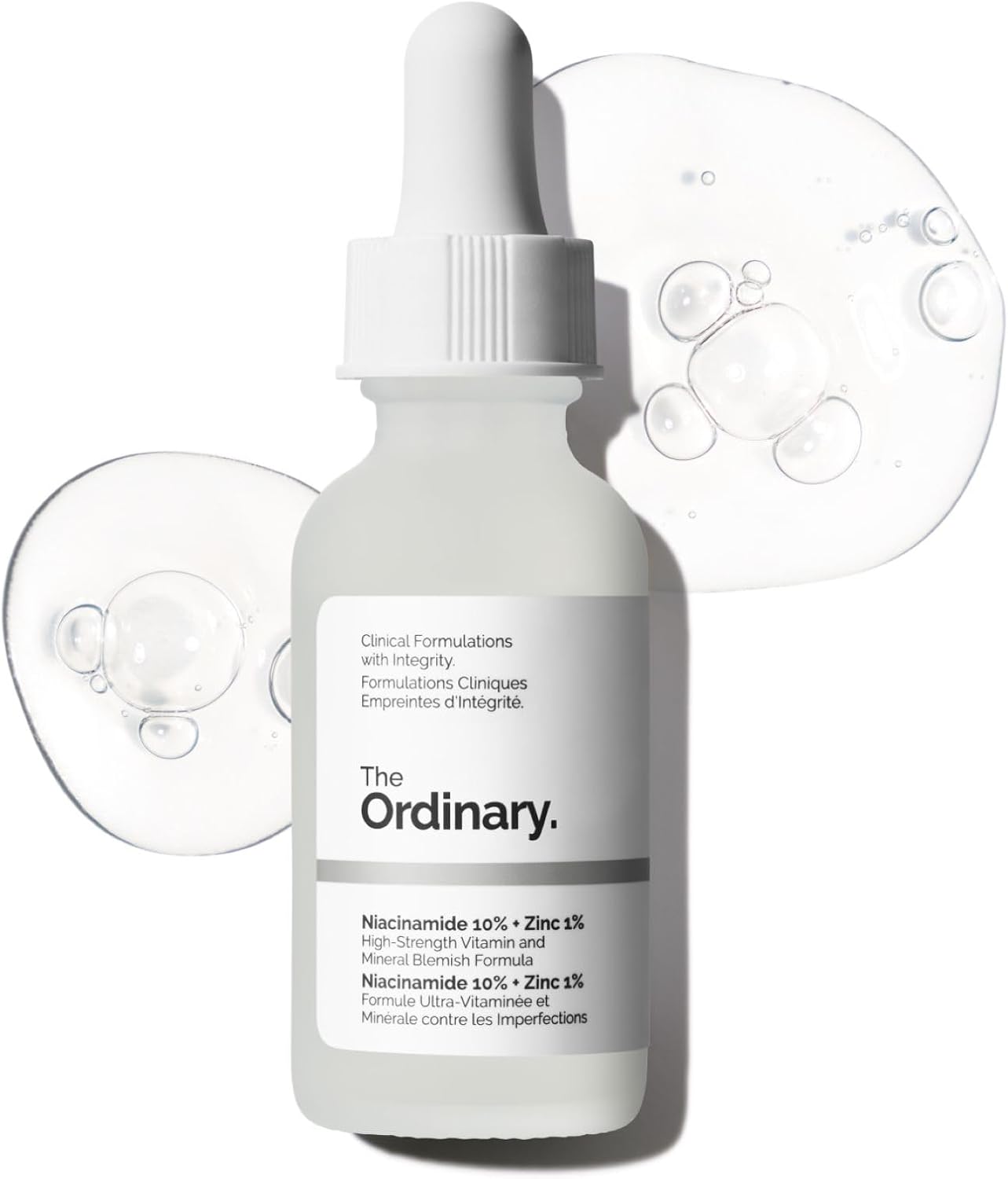
Let me be upfront about something: The Ordinary Retinol 0.5% in Squalane is not a product that holds your hand. There's no lipid encapsulation slowing the release, no panthenol cushioning the blow, no hyaluronic acid complex hydrating at multiple depths. What you get is retinol—0.5% of it—suspended in a simple squalane base with a few antioxidant extracts and a stabilizer. That's it. And depending on where you are in your retinoid journey, that's either the most honest formulation on the market or a fast track to peeling skin and regret.
I picked this up after successfully completing a two-week test with COSRX's 0.1% retinol cream and feeling ready to step up. The jump from 0.1% to 0.5% is significant—five times the concentration—and I wanted to see whether The Ordinary's minimalist approach could deliver real results without the supportive infrastructure that made the COSRX cream so beginner-friendly. Spoiler: it delivers results, but you'd better have your barrier-care routine dialed in first.
Brand Context: The Ordinary and the Democratization of Retinol
The Ordinary's parent company, DECIEM, built its entire brand identity around a radical transparency that the skincare industry had never really seen before. When Brandon Truaxe launched The Ordinary in 2016, the premise was simple: tell people exactly what's in the bottle, charge them a fraction of what luxury brands charge, and let the ingredients speak for themselves. The Retinol 0.5% in Squalane is a textbook example of that philosophy. There's no fancy packaging, no proprietary delivery system, no marketing language about "advanced retinoid complexes." It's retinol at 0.5% in squalane. The name is the product.
That simplicity is both the product's greatest strength and its most significant limitation. By stripping away everything except the active ingredient and its carrier, The Ordinary created a retinol that's remarkably affordable and remarkably effective—but also remarkably unforgiving. This is a product that assumes you know what you're doing. It doesn't come with training wheels, and if you're not prepared, the road is going to be rough.
Ingredient Breakdown
The ingredient list is refreshingly short. Eight ingredients total. In a skincare market where products routinely list forty or fifty ingredients, this brevity is almost shocking. Let's walk through what's actually in the bottle.
The Base: Squalane
Squalane is the first ingredient and the carrier for the entire formula. It's a hydrogenated version of squalene, a lipid that occurs naturally in your skin's sebum. Squalane is lightweight, non-comedogenic, and absorbs reasonably well for an oil. It's also a skin-identical ingredient—meaning your body already produces a version of it—which makes it one of the least irritating carrier oils available. The choice of squalane as a base is intentional: it's inert enough that it won't interfere with the retinol, and it provides a modest occlusive layer that helps prevent transepidermal water loss overnight. What it doesn't do is provide any significant soothing or hydrating benefit on its own. It's a carrier, not a treatment.
The Star: Retinol at 0.5%
Retinol is the fourth ingredient on the INCI list, which is appropriate for a 0.5% concentration. This is a moderate-to-strong retinol concentration—strong enough to produce visible improvements in skin texture, fine lines, and hyperpigmentation over time, but also strong enough to cause significant irritation if you're not accustomed to retinoids. To put this in context: 0.5% retinol is roughly equivalent in efficacy to 0.025% tretinoin (the lowest prescription strength), though the conversion isn't exact because retinol must be converted to retinaldehyde and then to retinoic acid in the skin, which means it's less potent per molecule than tretinoin but also less immediately irritating.
Importantly, this retinol is not encapsulated. Encapsulated retinol—like what you find in COSRX's 0.1% cream or many higher-end formulations—is surrounded by a lipid shell that slows its release into the skin, reducing irritation. The Ordinary's retinol is free-floating in the squalane base. It hits your skin all at once. For experienced retinol users, this means faster results. For beginners, it means a higher likelihood of redness, flaking, and the dreaded "retinol burn" that derails so many people's first attempts.
The Support Cast
- Caprylic/Capric Triglyceride: A lightweight emollient derived from coconut oil and glycerin. It helps the product spread evenly and adds a touch of slip without feeling heavy. It's a common carrier ingredient in oil-based serums and doesn't provide any active benefit beyond texture.
- Simmondsia Chinensis (Jojoba) Seed Oil: Jojoba oil is structurally similar to human sebum, which makes it an excellent skin-compatible carrier. It provides some emollience and helps the squalane absorb more evenly. Like squalane, it's non-comedogenic for most people.
- Solanum Lycopersicum (Tomato) Fruit Extract: An antioxidant that contains lycopene, a carotenoid that helps neutralize free radicals. It's a nice addition, but at the concentration present here, it's more of a stabilizer than a skin-transforming active. It helps protect the retinol from oxidation during storage.
- Rosmarinus Officinalis (Rosemary) Leaf Extract: Another antioxidant with mild soothing properties. Rosemary extract is commonly used in oil-based formulations as a natural preservative and stabilizer. It helps extend the shelf life of the retinol and may provide some anti-inflammatory benefit, though the effect is minimal at this concentration.
- Hydroxymethoxyphenyl Decanone: This is a synthetic antioxidant that functions as a retinol stabilizer. It's less commonly seen in skincare but serves a specific purpose: protecting the retinol from degradation caused by light and air exposure. If you've ever noticed that retinol products lose potency over time, it's because retinol oxidizes rapidly. This ingredient helps slow that process.
- BHT (Butylated Hydroxytoluene): A synthetic antioxidant used as a preservative. BHT is effective at preventing oxidation, which is critical for retinol stability. It's used at very low concentrations and is considered safe in cosmetics by regulatory bodies worldwide, though some consumers prefer to avoid it. If you're strictly BHT-free, this is a note worth flagging.
What's Not in It
No water. No fragrance. No essential oils. No alcohol. No preservatives beyond BHT. No hyaluronic acid, no ceramides, no panthenol, no soothing agents of any real significance. This is an anhydrous (water-free) formula, which means it has a longer shelf life and doesn't require traditional preservatives, but it also means there's nothing in the bottle to mitigate the irritant potential of the retinol. The Ordinary made a deliberate choice here: the product is a retinol delivery system, not a complete skincare treatment. You're expected to provide your own supporting cast through the rest of your routine.
Texture & Application
The product is a thin, slightly viscous oil. It's lighter than you might expect—squalane has a dry-touch feel compared to heavier oils like argan or marula, and the addition of caprylic/capric triglyceride keeps it from feeling greasy. Three drops covers my entire face; five drops covers face and neck. It spreads easily and absorbs within about five minutes, leaving a subtle sheen that fades as you layer moisturizer over it.
The dropper bottle is functional but not ideal for a retinol product. Retinol degrades with exposure to air and light, and every time you open the dropper, you're introducing both. The dark amber glass helps with light protection, but an airless pump would be better for maintaining potency over the product's shelf life. I've noticed that the oil in my bottle gradually darkened over the two months I've been using it, which is a sign of oxidation. The product is still effective, but I wouldn't hold onto an opened bottle for more than three to four months.
There's no scent to speak of—just the faint, neutral oil smell of squalane and jojoba. If you're sensitive to fragrance, this is about as clean as it gets.
Two-Week Wear Test
My skin profile: Combination skin, slight dehydration, tendency toward dullness and enlarged pores. I had previously completed a six-week run with COSRX 0.1% retinol cream with no significant irritation, so I felt prepared for the step up to 0.5%.
Protocol: I applied the product every third night for the first week, then every other night for the second week. I layered it between a hydrating toner and a ceramide-rich moisturizer. No other actives—no AHAs, no BHAs, no vitamin C during the test period. I used a gentle cleanser morning and night and applied SPF 50 every morning without exception.
Days 1–3 (Every third night): The first application was uneventful. The oil went on smoothly, absorbed quickly, and I layered my moisturizer over it without any pilling. The next morning, my skin looked normal—no redness, no tightness, no flaking. I was cautiously optimistic. The second application on day 3 was similarly unremarkable. I started to think maybe the jump from 0.1% to 0.5% wouldn't be as dramatic as I'd feared.
Days 4–7 (Every third night): Day 5 was when reality checked in. I woke up with mild flaking around my nose and the corners of my mouth—classic retinoid irritation zones where the skin is thinner and more prone to turnover. It wasn't severe, and it resolved after I applied a thicker layer of moisturizer, but it was a clear signal that 0.5% is a different beast than 0.1%. By day 7, I noticed a slight tightness after cleansing in the evening, which told me my barrier was working harder than it had been with the lower concentration.
Days 8–10 (Every other night): Increasing the frequency to every other night was the real test. The first night at this cadence, I applied a slightly thinner layer than usual—two drops instead of three—and it made a difference. The flaking around my nose persisted but didn't worsen. More importantly, I started seeing the results I was hoping for. My skin texture was noticeably smoother by day 9. A cluster of stubborn closed comedones on my forehead that had resisted the 0.1% retinol began to clear. My overall skin tone looked slightly more even, particularly around my jawline where I tend to get hyperpigmentation.
Days 11–14 (Every other night): The final stretch was a mixed bag. The good: my skin continued to improve in texture and tone. Fine lines around my eyes appeared slightly less pronounced, and the overall brightness of my complexion was noticeably better than when I started. The bad: the flaking never fully resolved. It was manageable—hydrating toner and a good moisturizer kept it under control—but it was a constant companion throughout the second week. I also experienced mild dryness on my chin that I don't get with lower retinol concentrations. By day 14, I had to admit that my skin was tolerating the product rather than thriving on it. The results were real, but the process was not comfortable.
Pros
- Unbeatable price: At $6–10 for 30ml depending on the retailer, this is one of the cheapest retinol products on the market. You're paying for the active ingredient and almost nothing else, and the price reflects that.
- Effective concentration: 0.5% retinol is strong enough to produce visible improvements in texture, tone, and fine lines within two weeks. This isn't a product that takes months to show results—you'll see changes, for better or worse, quickly.
- Minimalist formula: Eight ingredients, no filler, no fragrance, no unnecessary additives. If you're sensitive to common irritants like essential oils or alcohol, this formula is about as clean as it gets.
- Lightweight texture: The squalane-based oil absorbs quickly and layers well under moisturizer. It doesn't feel heavy or greasy, even on combination skin.
- Non-comedogenic: Squalane and jojoba oil are both rated low on the comedogenic scale. This shouldn't break you out, even if you're prone to clogged pores.
Cons
- No barrier support: This is the biggest issue. There are no soothing, hydrating, or barrier-repairing ingredients in this formula. The retinol is free to do its work—and its damage—without any counterbalance. You need to have a solid supporting routine with ceramides, hyaluronic acid, and gentle moisturizers to make this product tolerable.
- Not for beginners: If you've never used a retinoid before, 0.5% is too strong as a starting point. The free (non-encapsulated) retinol hits your skin all at once, and the irritation can be significant. Start with 0.1% or 0.2% and work your way up.
- Dropper packaging: For a product that degrades with air and light exposure, a dropper bottle is suboptimal. Each opening introduces air that accelerates oxidation. An airless pump would preserve potency better.
- BHT as a stabilizer: While effective and safe at cosmetic concentrations, BHT is a synthetic antioxidant that some consumers prefer to avoid. If you're building a BHT-free routine, this product doesn't fit.
- Shelf life after opening: The anhydrous formula helps, but the dropper packaging means the retinol will gradually oxidize. I noticed visible darkening of the oil after about two months. Use it quickly and don't stock up.
Who Is This For?
This product is for people who have already built a tolerance to retinol at lower concentrations and want to step up without paying premium prices. It's for experienced retinoid users who understand that retinol requires barrier support from the rest of their routine and who already have a solid moisturizer, hydrating toner, and SPF in their arsenal. It's for minimalists who want to know exactly what they're putting on their skin and don't need a product to be anything more than what it claims to be.
It is not for retinol beginners. It is not for people with compromised skin barriers. It is not for anyone who expects their retinol product to also hydrate, soothe, or repair. If you're looking for a retinol that does more than deliver retinol, this isn't it.
Price & Where to Buy
The Ordinary Retinol 0.5% in Squalane retails for $6–10 for 30ml, depending on the retailer. It's available from The Ordinary's website, Sephora, Ulta, Beauty Bay, Lookfantastic, and Amazon (through The Ordinary's official store). At full retail price, it's one of the cheapest retinol products on the market. On sale—which happens frequently at Sephora and Ulta during their seasonal events—you can pick it up for under $5. At that price, it's almost irresponsible not to try it if you're retinol-ready.
Comparison Notes
Against COSRX The Retinol 0.1 Cream: The COSRX is a completely different product designed for a completely different user. It's gentler, more supportive, and much more forgiving—but also less potent. If you're a beginner, COSRX is the clear choice. If you've outgrown 0.1% and need something stronger, The Ordinary's 0.5% is the logical next step, but you'll need to provide your own barrier support.
Against The Ordinary Retinol 0.2% in Squalane: Same formula, same base, same packaging, just at a lower concentration. If 0.5% is too aggressive, the 0.2% is a sensible intermediate step. The price is identical, so there's no financial incentive to go stronger before you're ready.
Against Paula's Choice Clinical 0.3% Retinol + Vitamin C: Paula's Choice is a more sophisticated formula with encapsulated retinol, vitamin C, and a cream base that provides some hydration. It's also $52 for 30ml. The Ordinary is five to eight times cheaper and delivers more retinol per drop, but you're trading formulation quality and gentleness for raw potency and price. If budget isn't a concern, Paula's Choice is the more pleasant experience. If you want maximum retinol per dollar, The Ordinary wins decisively.
Final Verdict
The Ordinary Retinol 0.5% in Squalane is exactly what it claims to be: retinol, in squalane, at 0.5%. No more, no less. That honesty is refreshing in a market full of products that promise transformation and deliver mediocrity. The results are real—smoother texture, improved tone, reduced fine lines—but they come at a cost. Without any supportive ingredients to mitigate the irritant potential of a moderate retinol concentration, this product demands that you bring your own buffer. If you're an experienced retinol user with a well-established routine, it's one of the best values in skincare. If you're new to retinoids or have sensitive skin, the lack of hand-holding will leave you peeling and frustrated. Know your skin, know your tolerance, and this little bottle will serve you well. Expect it to coddle you, and you'll be disappointed.