
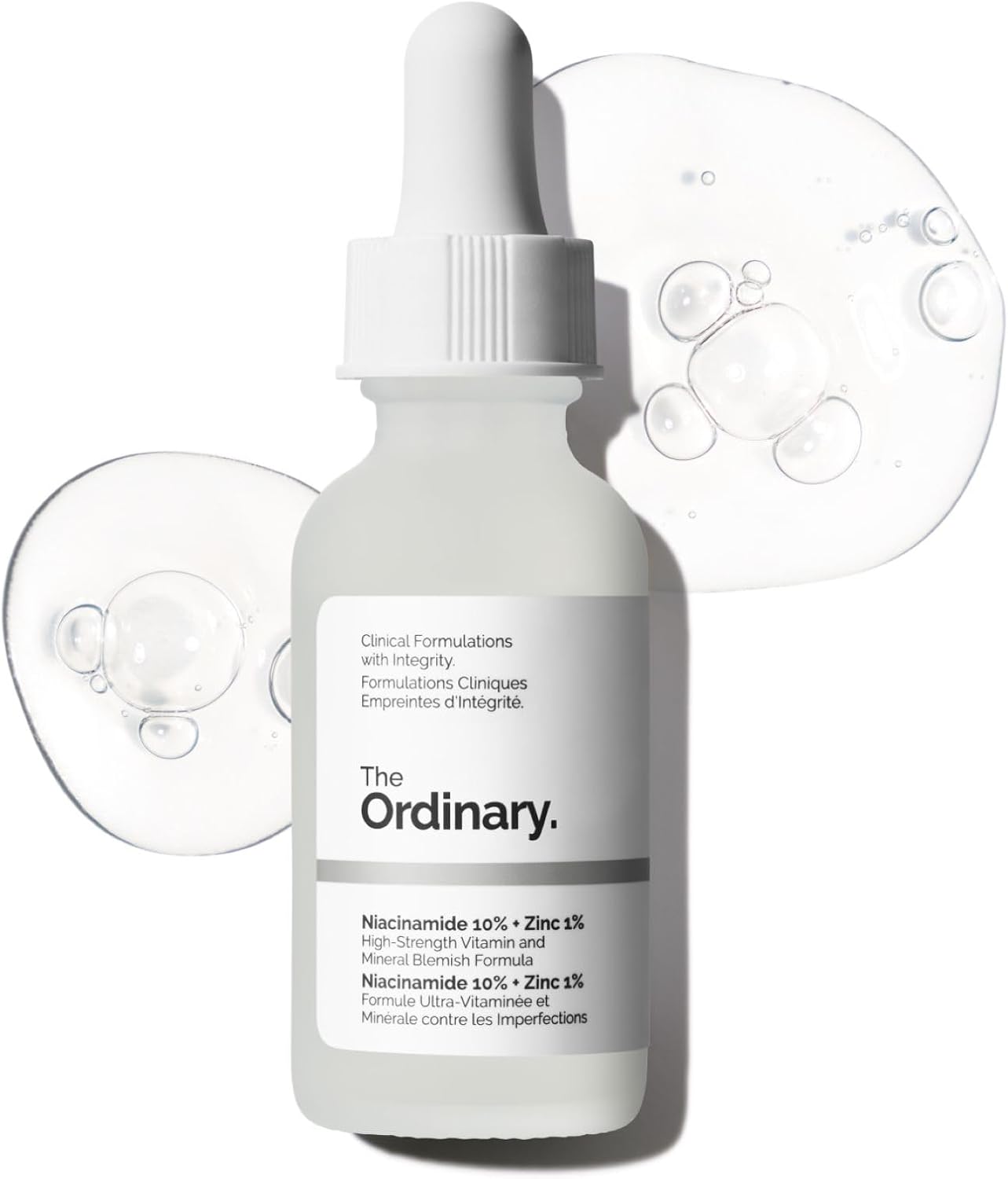
Lactic acid is the introvert of the AHA family — quieter, gentler, less flashy than glycolic acid, but surprisingly effective when you give it time to work. The Ordinary Lactic Acid 10% + HA has been sitting in my bathroom cabinet for months, and I kept reaching for it over more aggressive exfoliants. That alone says something. But does it earn its place through real results, or is it just the comfort-food equivalent of skincare? I wore it for two weeks straight to find out.
Brand Context: The Ordinary
The Ordinary needs no introduction at this point. Launched under Deciem in 2016, the brand upended the skincare industry by offering clinical-grade actives at drugstore prices with full ingredient transparency. Their Lactic Acid 10% + HA is one of the original products in the lineup and has remained largely unchanged — a rarity in an industry that loves reformulating for the sake of a new marketing cycle. The Ordinary's philosophy is simple: tell people what's in the bottle, price it honestly, and let the ingredients do the talking. That approach has earned them both fierce loyalty and valid criticism — their products are effective but bare-bones, with no soothing complexes or botanical luxuries to cushion the experience. The Lactic Acid 10% + HA is a notable exception to that rule, and that's what makes it interesting.
Ingredient Breakdown
The formula is short and intentional. The Ordinary doesn't pad their ingredient lists with trendy botanicals or marketing-driven fillers. Here's what's actually in the bottle and why it matters.
Lactic Acid (10%)
The star of the show. Lactic acid is an alpha-hydroxy acid derived from milk (though The Ordinary uses a synthetic version). It works by loosening the bonds between dead skin cells on the stratum corneum, allowing them to shed more efficiently. What makes lactic acid different from glycolic acid — the other popular AHA — is its molecular size. Lactic acid has a larger molecule, which means it penetrates the skin more slowly and less deeply. That translates to less irritation. But lactic acid has a trick glycolic doesn't: it's also a humectant. It pulls moisture into the skin while it exfoliates, which is why lactic acid products tend to feel less drying than their glycolic counterparts. At 10%, this is a moderate concentration — strong enough to produce visible results, gentle enough for most skin types to tolerate with proper introduction.
Sodium Hyaluronate Crosspolymer
The "HA" in the product name. This is a crosslinked form of hyaluronic acid that forms a film on the skin's surface, drawing in and holding moisture. The crosspolymer form is more stable than standard sodium hyaluronate and provides longer-lasting hydration. It's a smart inclusion in an AHA product — exfoliation increases transepidermal water loss, and the hyaluronic acid crosspolymer helps counteract that. The "+" in the product name isn't just marketing; the HA genuinely adds a functional benefit that most standalone lactic acid serums lack.
Glycerin
A classic humectant and one of the most well-studied moisturizing ingredients in dermatology. Glycerin draws water into the outer layers of the skin and helps maintain the skin's hydration barrier. It's the third ingredient in this formula, which means it's present at a meaningful concentration. Combined with the hyaluronic acid crosspolymer, it creates a dual-humectant system that keeps the skin hydrated while the lactic acid does its work.
Tasmannia Lanceolata Fruit/Leaf Extract
This is mountain pepper extract, an Australian native plant. It's a clever addition — mountain pepper is rich in polygodial, a compound with documented anti-inflammatory and analgesic properties. In skincare, it's used to reduce the stinging and irritation that often accompany acid exfoliation. The Ordinary doesn't often include botanical extracts, so when they do, it's worth paying attention. This ingredient is specifically chosen to counteract the irritation potential of the 10% lactic acid, and it works.
Sodium Hydroxide
A pH adjuster. Lactic acid is most effective at a pH between 3 and 4, and sodium hydroxide is used to bring the formula to the right acidity level. This is standard in any well-formulated AHA product — if the pH is too low, the acid is too aggressive; if it's too high, it's ineffective. The Ordinary's pH for this product sits around 3.6–3.8, which is right in the sweet spot for efficacy without unnecessary harshness.
Supporting Ingredients
Pentylene Glycol and Propanediol are humectants and solvents that help the product spread evenly and absorb well. Acacia Senegal Gum is a natural thickener that gives the serum its slightly viscous texture. Xanthan Gum is another thickener that stabilizes the formula. Isoceteth-20 is an emulsifier that helps the water-soluble and oil-soluble components blend together. Trisodium Ethylenediamine Disuccinate is a chelating agent that prevents metal ions from degrading the formula. Ethylhexylglycerin and 1,2-Hexanediol and Caprylyl Glycol serve as mild preservatives and skin-conditioning agents. None of these are headline actives, but they're all functional and necessary for a stable, pleasant-to-use product.
Texture & Application
The serum has a slightly viscous, water-gel consistency — thicker than water but thinner than a traditional serum. It's not sticky or tacky. It spreads easily across the skin and absorbs in about 30–45 seconds, leaving a subtle hydrated finish. There's no fragrance, which is standard for The Ordinary. The product does have a faint, mildly acidic scent — not unpleasant, just the natural smell of lactic acid in solution. If you've used other Ordinary acids, you know exactly what I mean.
I apply it with clean fingers, pressing it into the skin rather than rubbing. A little goes a long way — 3–4 drops covers my entire face. The mountain pepper extract does its job here: there's a mild tingle on the first application that fades within 60 seconds, but no burning or prolonged stinging. Compared to The Ordinary's Glycolic Acid 7% Toning Solution, this is significantly more comfortable on the skin.
Two-Week Wear Test
Skin type: Combination (oily T-zone, normal-to-dry cheeks), occasional closed comedones along the jawline, mild texture on the chin, some residual hyperpigmentation from past breakouts.
Protocol: Applied every other night in my PM routine, after cleansing and before moisturizer. No other actives on the same nights. Morning SPF 50 was non-negotiable — lactic acid increases photosensitivity, and skipping sunscreen while using AHAs is a recipe for more hyperpigmentation.
Day 1–3: The first application was smooth. A mild tingle that lasted about 45 seconds, then nothing. No redness, no tightness, no obvious reaction. I followed up with my regular moisturizer and went to bed. The next morning, my skin looked... the same. No dramatic overnight transformation, which is exactly what I expected. Chemical exfoliation is a cumulative process, not a one-night miracle.
Day 4–7: By the end of week one, I started noticing changes. The closed comedones along my jawline were shrinking — not disappearing, but visibly smaller. My skin texture was smoother, particularly around my chin where I tend to get rough patches. The most surprising observation was how hydrated my skin felt. Lactic acid's humectant properties are real, and the hyaluronic acid crosspolymer was clearly doing its job. My skin didn't have that tight, stripped feeling I often get after using glycolic acid products.
Day 8–10: This is where things got interesting. The hyperpigmentation from a breakout two months ago was noticeably lighter. Not gone — let's be realistic — but definitely faded. My skin tone was more even overall, and there was a subtle brightness that my roommate even commented on (unsolicited, which is the highest compliment). The texture improvements from week one held steady, and I noticed my makeup was going on more smoothly in the mornings — less catching on dry patches, more even application.
Day 11–14: The two-week mark confirmed what I'd been seeing. Smoother texture, lighter hyperpigmentation, more even skin tone, and — crucially — no barrier damage. My skin didn't feel thin or sensitive. I could use my regular products without any stinging or reactivity. I even tried using it two nights in a row during the final week to test the limits, and my skin handled it fine. That said, I wouldn't recommend daily use for most people — every other night is the sweet spot for 10% lactic acid.
Pros
- Gentle but effective: 10% lactic acid provides real exfoliation without the harshness of glycolic acid. The larger molecule size and humectant properties make it significantly more tolerable.
- Built-in hydration: The sodium hyaluronate crosspolymer and glycerin combination genuinely reduces the drying effect of exfoliation. This is one of the few AHA products I've used that doesn't leave my skin feeling thirsty.
- Mountain pepper extract: A smart anti-inflammatory addition that reduces stinging and irritation. It's a thoughtful inclusion that elevates this beyond a basic acid-water formula.
- Excellent price point: At roughly $7–10 for 30ml, this is one of the most affordable effective AHA serums on the market. The value-to-performance ratio is hard to beat.
- No fragrance: The absence of synthetic fragrance and essential oils makes this suitable for sensitive skin types who might react to scented products.
- Visible results in two weeks: Smoother texture, lighter hyperpigmentation, more even tone — all without the irritation that usually accompanies these results.
Cons
- Bare-bones formula: The Ordinary's minimalist approach means no soothing botanical complexes, no antioxidant boosters, no luxury feel. If you want a product that feels like a spa experience, this isn't it.
- Not strong enough for severe concerns: 10% lactic acid is moderate. If you have deep acne scarring, severe hyperpigmentation, or significant sun damage, you may need something stronger or a combination of actives.
- Purging is possible: Like any AHA, this can trigger a purge period where underlying congestion comes to the surface. It's temporary but can be discouraging if you're not prepared for it.
- Small bottle size: 30ml goes fast if you're using it every other night. The 30ml size is the only option — there's no larger value size available.
- Generic packaging: The glass dropper bottle is functional but not travel-friendly. The dropper can also dispense inconsistent amounts.
Who Is This For?
This is for anyone who wants effective chemical exfoliation without the harshness of glycolic acid. It's particularly well-suited for combination, normal, and dry skin types — the humectant properties of lactic acid make it more forgiving on dry skin than other AHAs. It's also an excellent choice for AHA beginners who are graduating from 5% lactic acid or mandelic acid and want to step up to something more potent. If you've tried glycolic acid and found it too irritating, this is the natural alternative.
It's not for anyone with a compromised skin barrier, active rosacea, or open wounds. It's also not the best choice for oily skin types who need deep pore clearing — BHA (salicylic acid) is more appropriate for that concern. And if you're pregnant or breastfeeding, consult your doctor before using any AHA product, even a gentle one.
Price & Where to Buy
The Ordinary Lactic Acid 10% + HA retails for approximately $7–10 USD for 30ml, making it one of the most affordable AHA serums on the market. You can find it at The Ordinary's official website, Ulta Beauty, Sephora, Amazon, and most major beauty retailers. It's widely available in over 40 countries, which is one of the advantages of a Deciem-owned brand — distribution is not a problem. Always buy from authorized retailers to avoid counterfeits, which are increasingly common for The Ordinary products due to their popularity and low price point.
Comparison Notes
Against The Ordinary Lactic Acid 5% + HA: The 5% version is the same formula at half the concentration. It's a better starting point for AHA beginners or anyone with sensitive skin. The 10% delivers faster, more visible results, but the 5% is more forgiving. My recommendation: start with the 5% if you've never used AHAs before, and graduate to the 10% once your skin is acclimated.
Against The Ordinary Glycolic Acid 7% Toning Solution: The glycolic acid toner is stronger and more effective for deep exfoliation, but it's also significantly more irritating. It's a toner format (applied with a cotton pad), while the lactic acid is a serum. The glycolic acid is better for oily and resilient skin types; the lactic acid is better for dry, sensitive, or combination skin. They're complementary products, not competitors.
Against Good Molecules Gentle Exfoliating Serum: Good Molecules offers a similar product with lactic acid and willow bark extract at roughly the same price point ($6 for 30ml). The willow bark adds mild BHA-like exfoliation, which the Ordinary lacks. However, the Ordinary's formula is more hydrating thanks to the hyaluronic acid crosspolymer. Both are excellent budget options — choose based on whether you want the added BHA (Good Molecules) or the added hydration (The Ordinary).
Final Verdict
The Ordinary Lactic Acid 10% + HA is exactly what it claims to be: a straightforward, effective, and affordable lactic acid serum. It doesn't try to be fancy, it doesn't promise miracles, and it doesn't dress up a simple formula with marketing fluff. What it does is deliver consistent, visible results with minimal irritation — and at under $10, it does so at a price that's genuinely hard to argue with.
The inclusion of hyaluronic acid crosspolymer and mountain pepper extract elevates this above a basic acid-water solution. The hydration is real, the irritation reduction is real, and the results — smoother texture, lighter hyperpigmentation, more even tone — are real too. It's not the most exciting product in my routine, but it might be the most reliable. Sometimes the best skincare is the kind you don't have to think about.