
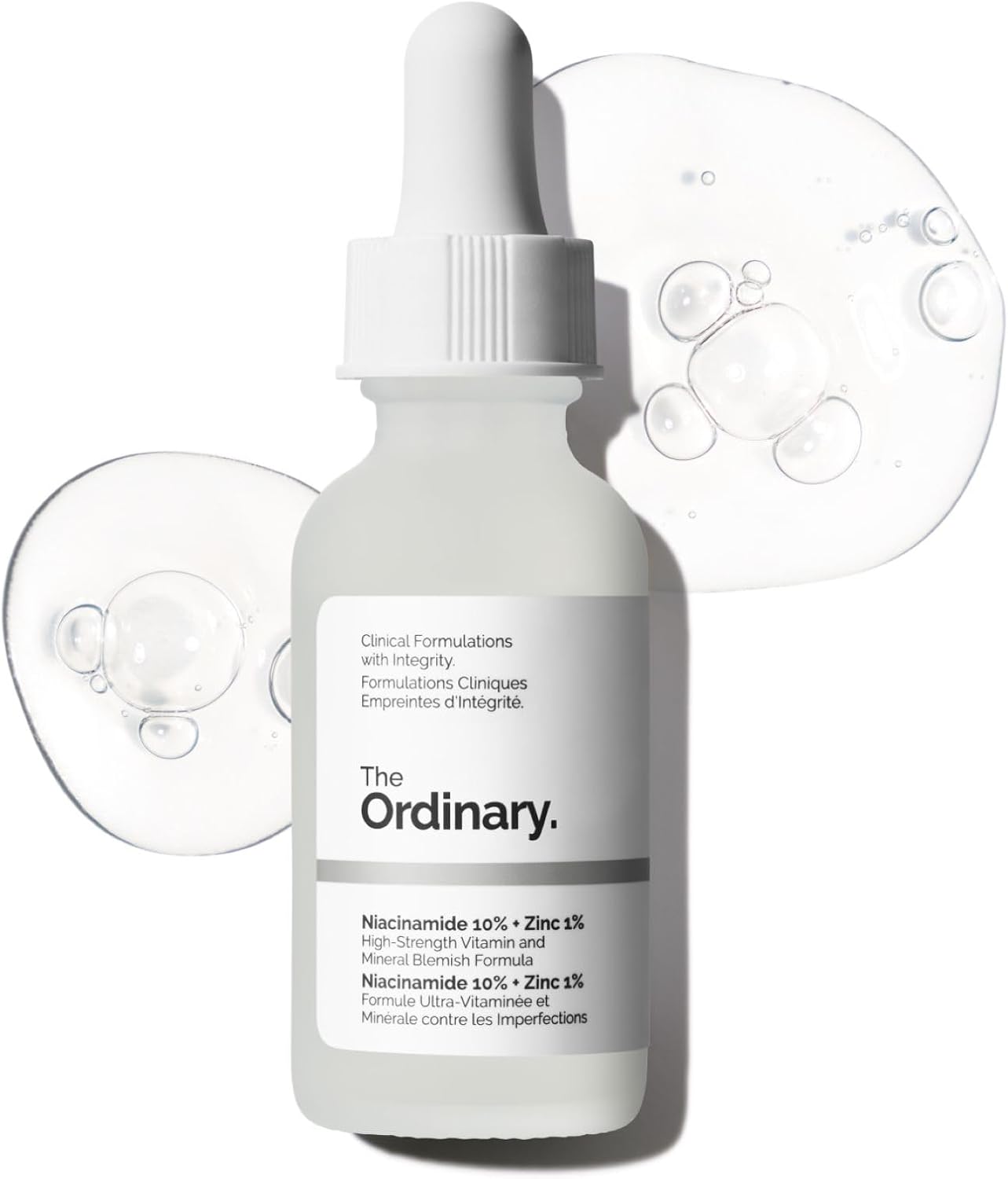
I've tried retinol more times than I care to admit, and each attempt ended the same way: red, flaky, tight skin that made me quit within a week. I'm not alone in this. Retinol's irritation profile is the single biggest reason people abandon the most proven anti-aging ingredient in dermatology. So when The Ordinary launched their Granactive Retinoid 2% Emulsion—a product built around a next-generation retinoid that promises retinol-level results without retinol-level irritation—I was intrigued enough to commit to a full two-week wear test. Here's what happened.
Brand Context: The Ordinary's Approach to Retinoids
The Ordinary has built its entire brand on a radical proposition: skincare ingredients shouldn't cost as much as a car payment. Their Granactive Retinoid line is one of their most popular, and for good reason. It uses Hydroxypinacolone Retinoate (HPR)—a retinoic acid ester that's never been available at this price point before. The Ordinary actually offers this ingredient in two formats: the silicone-based serum and this emulsion. The emulsion is the creamier, more hydrating version, designed for people who find the silicone serum too drying or who want something that can double as a lightweight night moisturizer. At under $10, it's one of the most accessible retinoids on the market.
The "2%" in the name refers to the concentration of the Granactive Retinoid complex—not the active retinoid itself. The actual HPR concentration is a proprietary blend, but it's generally understood to deliver efficacy comparable to a moderate-strength retinol without the conversion step that retinol requires in the skin. That's the key difference, and it matters more than most people realize.
Ingredient Breakdown
The formula is more sophisticated than The Ordinary's minimalist packaging suggests. This isn't just HPR in a base—it's a carefully constructed emulsion with supportive ingredients that make the retinoid experience significantly more tolerable.
The Star: Hydroxypinacolone Retinoate (HPR)
HPR is the reason this product exists. Unlike retinol, which must be converted by the skin into retinaldehyde and then into retinoic acid before it does anything useful, HPR is a retinoic acid ester that binds directly to retinoid receptors without requiring enzymatic conversion. This is a big deal. The conversion process is inefficient—only about 1% of applied retinol actually becomes retinoic acid—and it's also what causes much of the irritation. HPR skips that step entirely, delivering retinoid activity more directly and with significantly less inflammatory response. Studies on HPR have shown it produces comparable anti-aging results to retinol at similar concentrations, with a markedly lower irritation profile. It's not weaker—it's just smarter about how it gets where it needs to go.
The Bonus: Retinol
The formula also contains a small amount of pure retinol. This is an interesting choice. The Ordinary has included retinol alongside HPR, likely to provide a dual-pathway approach: HPR for direct receptor activation, and retinol for the gradual conversion that produces retinoic acid over time. The retinol concentration is low—well below the 0.5% or 1% standalone products The Ordinary sells—so it acts as a complement rather than the main event. For people who are sensitive to retinol, this is worth noting. It's not a huge amount, but it's there.
The Support System
- Bisabolol: A chamomile-derived soothing agent that calms irritation and reduces inflammation. It's one of the most well-researched anti-inflammatory ingredients in skincare, and its inclusion here is no accident. Bisabolol actively counteracts the irritation that retinoids can cause, making the formula more tolerable for sensitive skin.
- Glycerin: A skin-identical humectant that draws moisture into the skin. It's the second ingredient in the formula, which means it's present at a meaningful concentration. Glycerin is the backbone of hydration in any well-formulated product.
- Caprylic/Capric Triglyceride: A lightweight emollient derived from coconut oil and glycerin. It provides a silky, non-greasy texture and helps the emulsion spread evenly across the skin.
- Propanediol: A humectant and solvent that enhances the penetration of other ingredients. It also adds a lightweight, hydrating feel to the formula.
- Tasmannia Lanceolata Fruit/Leaf Extract: Also known as mountain pepper extract, this Australian botanical is a potent antioxidant. It helps protect the skin from free radical damage and has anti-inflammatory properties that complement the bisabolol.
The Emulsion Base
The texture of this product comes from an emulsifier system of Cetearyl Alcohol, Ceteareth-12, Ceteareth-20, and Glyceryl Stearate. These create a stable cream-in-gel texture that's more hydrating than the silicone-based Granactive Retinoid serum. The Cetearyl Isononanoate and Cetyl Palmitate provide a smooth, almost velvety feel during application. Dimethyl Isosorbide acts as a penetration enhancer, helping the HPR and retinol reach deeper skin layers. The gums—Carrageenan, Xanthan Gum, and Acacia Senegal Gum—stabilize the emulsion and give it a slightly gel-like consistency that prevents the cream from feeling heavy.
What's Not in It
No alcohol. No fragrance. No essential oils. No silicones (unlike the serum version). This is as clean a formula as you'll find in the retinoid space. The preservative system—Phenoxyethanol, Chlorphenesin, Ethylhexylglycerin, Dehydroacetic Acid, and Benzoic Acid—is standard and effective without being aggressive. If you're sensitive to any of these, they're worth checking, but they're present at concentrations well below the threshold for irritation in most people.
Texture & Application
The emulsion is a milky, slightly yellowish cream with a texture that falls somewhere between a lightweight lotion and a gel-cream. It's thicker than a serum but considerably thinner than a traditional night cream. A pea-sized amount spreads easily across my entire face and neck. It absorbs in about three minutes, leaving a subtle, non-greasy finish. There's no tackiness, no pilling, and no white cast. It layers well under other products—I tested it under both a ceramide cream and a sleeping mask without any issues.
The feel is noticeably different from The Ordinary's silicone-based Granactive Retinoid serum, which has a slick, almost silicone-primer texture. The emulsion feels more like a traditional skincare product—comfortable, hydrating, and unobtrusive. For people who dislike the silicone slip of the serum, this is the better option.
Two-Week Wear Test
My skin profile: Combination skin with mild dehydration, tendency toward dullness and enlarged pores. Previous retinoid experience: multiple failed attempts with retinol 0.25–0.5%, and a brief stint with 0.025% tretinoin that caused significant peeling and redness around my nose and mouth.
Protocol: I applied the emulsion every other night for the first week, then every night for the second week. My base routine was a gentle cleanser, a hydrating toner, and a ceramide moisturizer. No other actives—no AHAs, no BHAs, no vitamin C during the test period.
Days 1–3 (Every other night): Zero irritation. I kept waiting for the sting that never came. The emulsion went on like a regular moisturizer, and I woke up with skin that looked and felt completely normal. No tightness, no redness, no flaking. After my history with retinol, this felt almost suspicious.
Days 4–7 (Every other night): By day 5, I noticed a subtle improvement in skin texture. My forehead felt smoother—less of that rough, slightly bumpy quality that I'd accepted as normal. A small area of congestion near my jawline started to clear. Still no irritation. I was starting to believe this product might actually be different.
Days 8–10 (Every night): The transition to nightly application is where retinoids typically break me. With this emulsion, I experienced a very mild tightness on the morning of day 9, but it resolved within an hour after applying my daytime moisturizer. No visible flaking. No redness. My skin looked slightly brighter—enough that I noticed I was reaching for less concealer under my eyes.
Days 11–14 (Every night): By the end of two weeks, the results were modest but genuine. My skin texture was visibly smoother, especially around my nose and chin. A few stubborn closed comedones on my forehead had cleared. My overall skin tone was slightly more even—not a dramatic transformation, but a noticeable improvement. The most significant change was how my skin felt: calmer, more resilient, and less reactive to environmental stressors. The mountain pepper extract and bisabolol were doing their jobs.
Pros
- HPR is a game-changer for sensitive skin: The direct receptor activation without the conversion step means retinoid efficacy without retinol-level irritation. If you've failed with retinol before, HPR is worth trying.
- Bisabolol and mountain pepper extract: These two soothing ingredients make a real difference. They actively reduce inflammation during the adjustment period, which is why I experienced zero irritation during the first week.
- Emulsion format is more hydrating: Compared to the silicone-based serum, this emulsion provides genuine moisture. It's a better choice for dry and combination skin types.
- Fragrance-free, alcohol-free, silicone-free: The formula is clean and focused. No unnecessary irritants.
- Unbeatable price: At $8–10 for 30ml, this is one of the most affordable retinoids on the market. Period.
- Layer-friendly: The emulsion plays well with other products. No pilling, no weird texture interactions, no incompatibility issues.
Cons
- Not strong enough for experienced retinoid users: If you've been using tretinoin or high-strength retinol for years, this product will feel underpowered. The 2% complex is equivalent to a moderate-strength retinol at best.
- Contains a small amount of retinol: If you're specifically avoiding retinol due to sensitivity, note that it's present in the formula alongside HPR. The concentration is low, but it's there.
- Results are gradual: This is a slow-and-steady product. Dramatic anti-aging results typically take 8–12 weeks of consistent use. If you're expecting overnight transformation, you'll be disappointed.
- Emulsion can feel slightly heavy in humid weather: The creamier texture is great for dry skin, but in hot, humid conditions, it might feel a bit much on very oily skin.
- Packaging could be better: The tube is functional but not airtight. HPR and retinol both degrade with light and air exposure. An opaque, airless pump would be preferable for stability.
Who Is This For?
This product is built for retinoid beginners and retinol-sensitive skin types—the people who want anti-aging and skin-renewing benefits but can't tolerate the irritation that comes with traditional retinol. It's ideal for sensitive skin, dry to combination skin, and anyone who's been curious about retinoids but scared off by the horror stories. If you've tried retinol and quit because of flaking, redness, or burning, this is the product that might finally make retinoids work for you. If you're already using prescription tretinoin or 0.5%+ retinol, this will feel like a step back.
Price & Where to Buy
The Ordinary Granactive Retinoid 2% Emulsion retails for $8–10 for 30ml. It's available from The Ordinary's website, Deciem stores, Sephora, Ulta, Beauty Bay, Lookfantastic, and Amazon (Deciem official store). At this price, it's one of the most accessible retinoids on the market—less than a third of what most retinol products cost. The only caveat is availability: The Ordinary products occasionally go out of stock during sales events, so it's worth grabbing a backup when you see one.
Comparison Notes
Against The Ordinary Granactive Retinoid 2% in Squalane: Same active ingredient, different vehicle. The squalane version is a thin oil serum with a silicone-like slip. It's lighter and less hydrating than the emulsion. If you have oily skin or prefer a serum texture, the squalane version is the better pick. If you have dry or combination skin, or if you want something that can double as a lightweight night moisturizer, the emulsion is the way to go.
Against COSRX The Retinol 0.1 Cream: COSRX uses traditional retinol at 0.1% with a sophisticated support system of panthenol, allantoin, and a multi-weight hyaluronic acid complex. It's gentler than most retinol products, but it's still retinol—it requires the conversion step that HPR skips. The Ordinary's emulsion is slightly more effective per application due to HPR's direct receptor activation, while COSRX's support system is more comprehensive. Both are excellent entry points; the choice comes down to whether you prefer HPR (The Ordinary) or retinol with a better support system (COSRX).
Against Paula's Choice Clinical 0.3% Retinol + 2% Bakuchiol: Paula's Choice is stronger, more expensive ($52 for 30ml), and better suited to experienced retinol users. The bakuchiol adds a plant-based retinol alternative that works synergistically with retinol. If you're a beginner, start with The Ordinary. If you've been using retinoids for months and want to step up, Paula's Choice is the logical upgrade.
Final Verdict
The Ordinary Granactive Retinoid 2% Emulsion is the rare product that makes a genuinely new ingredient accessible to the people who need it most. HPR is not a gimmick—it's a scientifically validated retinoid that delivers retinol-comparable results with a fraction of the irritation, and The Ordinary's emulsion format provides the hydration and soothing support that sensitive skin requires. The bisabolol and mountain pepper extract are thoughtful additions that make the adjustment period nearly painless. It's not the strongest retinoid on the market, and experienced users will find it too mild. But for anyone who's been retinoid-curious but retinoid-averse—anyone who's stared at a retinol bottle and thought "not again"—this is the product that finally makes retinoids work. At under $10, there's no reason not to try.