
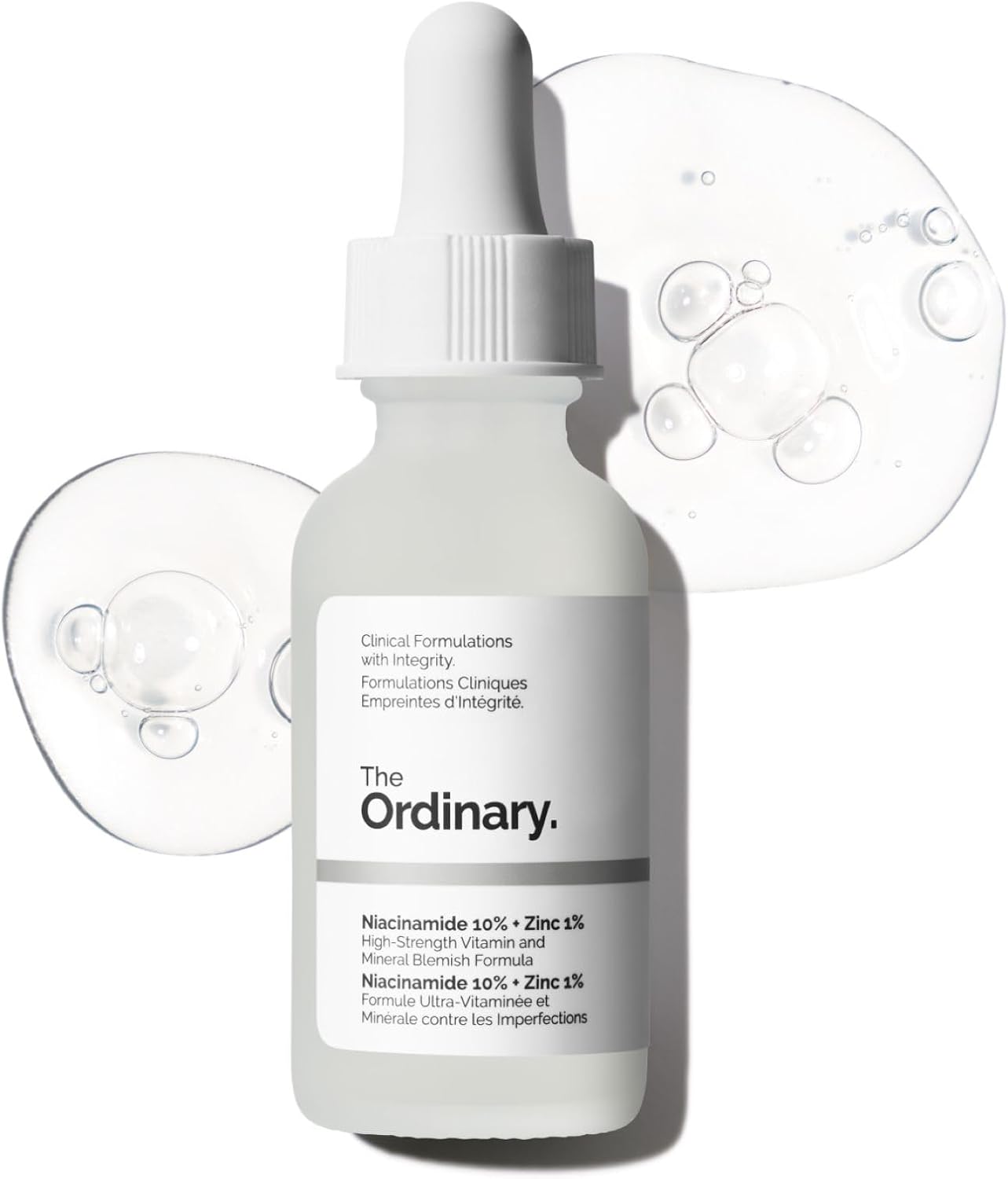
Eye creams are a category I've long been suspicious of. For years, the consensus among dermatologists I've followed has been that most eye creams are just repackaged moisturizers in smaller jars at a higher price per milliliter. The skin around your eyes is thinner and more prone to showing fatigue, but that doesn't mean it needs a separate product — it needs the right ingredients at the right concentrations. So when The Ordinary launched their Caffeine Solution 5% + EGCG, I paid attention. Not because I expected a miracle, but because the ingredient list was a genuine departure from the typical eye cream formula. Caffeine and EGCG are two of the most well-researched compounds for under-eye puffiness and dark circles, and The Ordinary was using them at concentrations that actually meant something. Two weeks of daily use later, here's what happened.
Brand & Product Context
The Ordinary, under the DECIEM umbrella, built its reputation on transparency and affordability — listing ingredient concentrations on the front of every bottle and pricing products at a fraction of what luxury brands charge for the same actives. The Caffeine Solution 5% + EGCG has been in their lineup since the early days, and it remains one of their most consistently recommended products. It's positioned as a targeted eye serum, not a cream — and that distinction matters. It's designed to be lightweight, fast-absorbing, and focused on two specific concerns: puffiness and dark circles caused by fluid accumulation and vascular pooling.
The product comes in a 30ml frosted glass dropper bottle, which is generous for an eye product — most eye creams come in 15ml jars. At roughly $8–10 USD depending on where you buy it, it's one of the most affordable eye treatments on the market. The packaging is functional but not luxurious: a standard glass dropper with a rubber bulb. You don't need much per application — a tiny drop for each under-eye area — so the bottle lasts a long time.
The Ingredient Breakdown
Here's the full INCI list, courtesy of INCIDecoder:
Aqua (Water), Caffeine, Maltodextrin, Glycerin, Propanediol, Epigallocatechin Gallatyl Glucoside, Gallyl Glucoside, Hyaluronic Acid, Oxidized Glutathione, Melanin, Glycine Soja (Soybean) Seed Extract, Pentylene Glycol, Hydroxyethylcellulose, Polyacrylate Crosspolymer-6, Xanthan Gum, Lactic Acid, Dehydroacetic Acid, Trisodium Ethylenediamine Disuccinate, Propyl Gallate, Dimethyl Isosorbide, Benzyl Alcohol, 1,2-Hexanediol, Ethylhexylglycerin, Phenoxyethanol, Caprylyl Glycol.
That's 25 ingredients in the base formula — lean for an eye product, and very intentional. Let me walk through the key players.
Caffeine at 5% is the star of the show and the reason most people buy this product. Caffeine is a methylxanthine — the same class of compounds as theobromine in chocolate and theophylline in tea. In skincare, caffeine works primarily as a vasoconstrictor. It constricts blood vessels beneath the skin, which reduces the pooling of blood that creates the bluish-purple tint of vascular dark circles. It also has mild diuretic properties when applied topically, helping to drain excess fluid that causes puffiness. The 5% concentration is meaningful — most eye products that include caffeine use it at 1–3%, which is enough for a marketing claim but not always enough for a visible effect. At 5%, you're in the range where clinical studies have shown measurable improvement in under-eye puffiness.
Epigallocatechin Gallatyl Glucoside (EGCG) is the second key ingredient, and it's the component that elevates this formula beyond a simple caffeine solution. EGCG is the most bioactive catechin in green tea — it's the compound responsible for most of green tea's antioxidant, anti-inflammatory, and photoprotective properties. The glucoside form used here is more water-soluble and stable than pure EGCG, which degrades quickly when exposed to light and air. EGCG works synergistically with caffeine in several ways: it's a potent antioxidant that protects the fragile skin around the eyes from oxidative stress, it's an anti-inflammatory that calms the micro-inflammation that worsens dark circles, and it inhibits the enzyme collagenase, which breaks down collagen. Over time, this means it helps maintain the structural integrity of the skin under your eyes, which is critical because thinning skin is one of the major causes of dark circles becoming more visible with age.
Gallyl Glucoside is a gallic acid derivative that works alongside EGCG. Gallic acid is another powerful antioxidant found in green tea, and the glucoside form improves its stability and skin penetration. It's an anti-glycation agent — glycation is the process where excess sugar molecules bind to proteins like collagen, making them stiff and brittle. The under-eye area is particularly susceptible to glycation damage because the skin is thin and the microcirculation is sluggish. Including an anti-glycation ingredient in an eye product is a sophisticated choice that shows The Ordinary was thinking long-term, not just about immediate de-puffing.
Hyaluronic Acid provides lightweight hydration — crucial for the under-eye area, which has fewer oil glands than the rest of the face. Glycerin and Propanediol are additional humectants that draw moisture into the skin. Oxidized Glutathione is a form of the body's master antioxidant that helps neutralize free radicals and may play a role in melanin inhibition, which is relevant for hyperpigmentation-related dark circles. Melanin itself is listed as an ingredient — this is unusual and appears to be a cosmetic colorant rather than a functional active. Glycine Soja (Soybean) Seed Extract is a skin-brightening agent that contains isoflavones with mild estrogenic activity, which can help stimulate collagen production and improve skin thickness.
The texture is built with Hydroxyethylcellulose, Polyacrylate Crosspolymer-6, and Xanthan Gum — a combination that creates a lightweight gel that spreads easily without being runny. Maltodextrin is a polysaccharide that stabilizes the caffeine and EGCG. Dimethyl Isosorbide is a penetration enhancer that helps the actives reach deeper layers of the skin. The preservative system is Phenoxyethanol + Ethylhexylglycerin + Caprylyl Glycol + 1,2-Hexanediol + Benzyl Alcohol + Dehydroacetic Acid — a multi-pronged system that's effective at low concentrations. Lactic Acid adjusts pH. Propyl Gallate and Trisodium Ethylenediamine Disuccinate are antioxidants and chelators that stabilize the formula.
Texture & Application Experience
The Caffeine Solution is a thin, slightly viscous gel — somewhere between a serum and a light essence in consistency. It's not as watery as The Ordinary's Hyaluronic Acid 2% + B5, but it's nowhere near the thickness of a cream. The color is a very pale yellowish-brown, which I assume comes from the EGCG and melanin. It spreads easily under the eyes with the lightest touch — you don't need to tug or pull at the skin, which is exactly what you want in an eye product.
I applied one small drop split between both under-eye areas, tapping gently with my ring finger. The gel absorbs within 60 seconds, leaving a slightly silky finish that's not tacky or greasy. It layers well under both eye cream and concealer — I tested it under three different concealers (a matte stick, a liquid wand, and a cushion compact) and experienced no pilling or creasing. The key is letting it dry completely before applying anything on top. If you rush, you'll get a slightly slippery feeling that makes concealer application uneven.
The dropper is fine for dispensing but not ideal for precision. An eye product really benefits from a metal-ball applicator or a pump that dispenses a tiny amount. With the dropper, I sometimes got too much product, which then required spreading beyond the under-eye area. Not a dealbreaker, but worth noting.
Two-Week Wear Test Results
Skin context: I have genetic dark circles that have been with me since childhood — the vascular kind, where you can see the bluish-purple blood vessels through thin skin. I also get puffiness from allergies, poor sleep, and seasonal changes. My under-eye skin is thin but not excessively dry. I used the Caffeine Solution twice daily — once in the AM before sunscreen and makeup, and once in the PM before my moisturizer. I applied it to the entire orbital bone area, not just the under-eye, as the product is lightweight enough for the full eye zone.
Days 1–3: The immediate effect was a subtle tightening sensation under my eyes — not uncomfortable, just a mild firming that I attribute to the caffeine's vasoconstriction. Within the first morning application, I noticed a slight reduction in the morning puffiness I normally wake up with. It wasn't dramatic, but it was perceptible. My under-eye area looked slightly less swollen, and the dark circles appeared marginally less purple. I was cautiously optimistic.
Days 4–7: The de-puffing effect became more consistent. By day 5, I was waking up with noticeably less fluid retention under my eyes — the kind of difference that made me look more awake before I'd even applied concealer. The vascular dark circles were still visible, but the purple tint had shifted slightly toward a lighter, more brownish tone. This makes sense: caffeine constricts the blood vessels, reducing the bluish hue, while the EGCG's anti-inflammatory action calms the surrounding tissue. My concealer was going on smoother and requiring less layering to cover the discoloration.
Days 8–14: This is where the longer-term benefits of the EGCG and gallyl glucoside started to show. The skin under my eyes looked slightly firmer and more even in tone — not dramatically different, but enough that I could see it in before-and-after photos taken under the same lighting. The puffiness reduction was consistent and reliable, even on days when I'd had less sleep. The dark circles, however, were still present. Caffeine can temporarily reduce the vascular component, but it doesn't address the structural issues — thin skin, fat loss, and bone structure — that make dark circles permanent for many people. After two weeks, I'd estimate the dark circles were about 20–25% less noticeable, which is a meaningful improvement but not a cure.
One important observation: the effects are cumulative but also temporary. On the two mornings I skipped the product (days 9 and 13, because I forgot while traveling), the puffiness returned to its baseline. Caffeine's vasoconstriction is a short-term effect — it wears off within hours. You need to use this consistently to maintain the results. If you stop, the puffiness and vascular dark circles will come back.
Pros & Cons
Pros:
- 5% caffeine is a real concentration: Not a token amount for label claims — this is in the range where studies show measurable de-puffing
- EGCG adds genuine antioxidant and anti-inflammatory value: It's not just caffeine in a bottle — the green tea catechin complex elevates the formula
- Gallyl glucoside for anti-glycation: A sophisticated ingredient choice that addresses long-term under-eye aging, not just short-term puffiness
- Lightweight gel texture: Absorbs quickly, layers under concealer without pilling, comfortable under makeup
- 30ml bottle is generous for an eye product: Most eye creams are 15ml — this gives you double the product at a fraction of the price
- Under $10 USD: One of the most affordable effective eye treatments available
- Fragrance-free and alcohol-free: No unnecessary irritants near the delicate eye area
- Visible de-puffing within the first week: The caffeine effect is real and perceptible
Cons:
- Effects are temporary: Caffeine's vasoconstriction wears off — if you stop using it, the puffiness returns
- Won't eliminate dark circles: It reduces the vascular component but can't fix structural causes like thin skin, fat loss, or bone structure
- Dropper is not ideal for eye application: A metal-ball applicator or pump would be more precise and hygienic
- Contains soy: The Glycine Soja Seed Extract means this isn't suitable for anyone with soy allergies — a real concern that's often overlooked
- Not moisturizing enough on its own: The humectants provide some hydration, but most people will need an eye cream on top for adequate moisture
- Results are modest for pigmented dark circles: If your dark circles are primarily melanin-driven rather than vascular, this product won't help much
Who Is This For?
This serum is best suited for people with vascular dark circles and morning puffiness — the kind caused by fluid retention, allergies, poor sleep, or genetics that make the blood vessels under your eyes more visible. If your dark circles look bluish-purple and are worse in the morning, this product is targeted at you. If you wake up with puffy under-eyes that deflate as the day goes on, caffeine is one of the few topical ingredients that can genuinely help.
It's not the right choice if your dark circles are primarily pigmented — the brown, melanin-driven kind that's common in South Asian, Middle Eastern, and Latin American skin tones. Caffeine doesn't inhibit melanin production, and while the EGCG and soy extract have some mild brightening properties, they're not present at concentrations that would meaningfully fade pigmentation. For that, you'd be better served by a niacinamide or vitamin C product.
If you have soy allergies, skip this product entirely — the Glycine Soja Seed Extract is a real allergen and the under-eye area is too sensitive to risk it. If you have extremely dry under-eye skin, you'll need to layer a moisturizing eye cream on top — this is a treatment, not a hydrator.
Price & Where to Buy
The Ordinary Caffeine Solution 5% + EGCG retails for $8.70 USD for 30ml on The Ordinary's official website and at Ulta, Sephora, and Deciem stores. It's also widely available through Amazon, but stick to The Ordinary's official storefront to avoid counterfeits. At under $9 for 30ml, it's one of the best value eye treatments on the market — you're paying roughly $0.29 per ml, compared to $2–5 per ml for most department store eye creams. The 30ml bottle lasts 3–4 months with twice-daily use, making the per-month cost essentially negligible.
Comparison Notes
vs. Good Molecules Caffeine Energizing Hydrating Eye Gel: Good Molecules uses caffeine at an unspecified concentration alongside hyaluronic acid and licorice extract in a gel-cream texture. It's similarly priced at around $6 for 15ml. The texture is creamier and more hydrating than The Ordinary's, making it a better standalone product for dry under-eyes. However, the caffeine concentration is likely lower, and it lacks the EGCG component entirely. For pure de-puffing power, The Ordinary wins. For an all-in-one eye product that hydrates and de-puffs, Good Molecules is more convenient.
vs. Kiehl's Creamy Eye Treatment with Avocado: Kiehl's is a moisturizer, not a treatment — it has no caffeine or EGCG. It's $35 for 14ml and is primarily avocado oil, shea butter, and beta-carotene. It's excellent for hydrating dry under-eyes but does nothing for puffiness or dark circles. If you need both, you could use The Ordinary Caffeine Solution underneath Kiehl's for the treatment + hydration combo, but that's a $43+ eye routine.
vs. Innisfree Green Tea Caffeine Eye Serum: Innisfree's serum is the closest K-beauty equivalent — it uses caffeine and green tea extract in a lightweight serum format. At roughly $20–25 for 25ml, it's more expensive than The Ordinary, and the caffeine concentration is likely lower. However, it includes Jeju green tea, which some people prefer for the antioxidant profile. The texture is slightly more elegant than The Ordinary's, with a cooling metal-ball applicator that's more user-friendly. If you value packaging and experience over raw ingredient concentration, Innisfree is worth considering.
Final Verdict
The Ordinary Caffeine Solution 5% + EGCG is exactly what it claims to be — a no-frills, ingredient-focused eye serum that delivers real de-puffing at a price that's hard to argue with. The 5% caffeine concentration is the real deal, the EGCG and gallyl glucoside add genuine antioxidant and anti-glycation value, and the lightweight gel texture layers seamlessly under concealer and moisturizer. It won't cure dark circles — nothing topical can fix structural causes — but it will reduce the vascular component and the morning puffiness that makes dark circles look worse. The effects are temporary, which means this is a commitment product: use it daily or don't bother. At under $9 for a bottle that lasts months, the commitment is easy to justify. This isn't the most luxurious eye product on the market, but it might be the most honest one.