
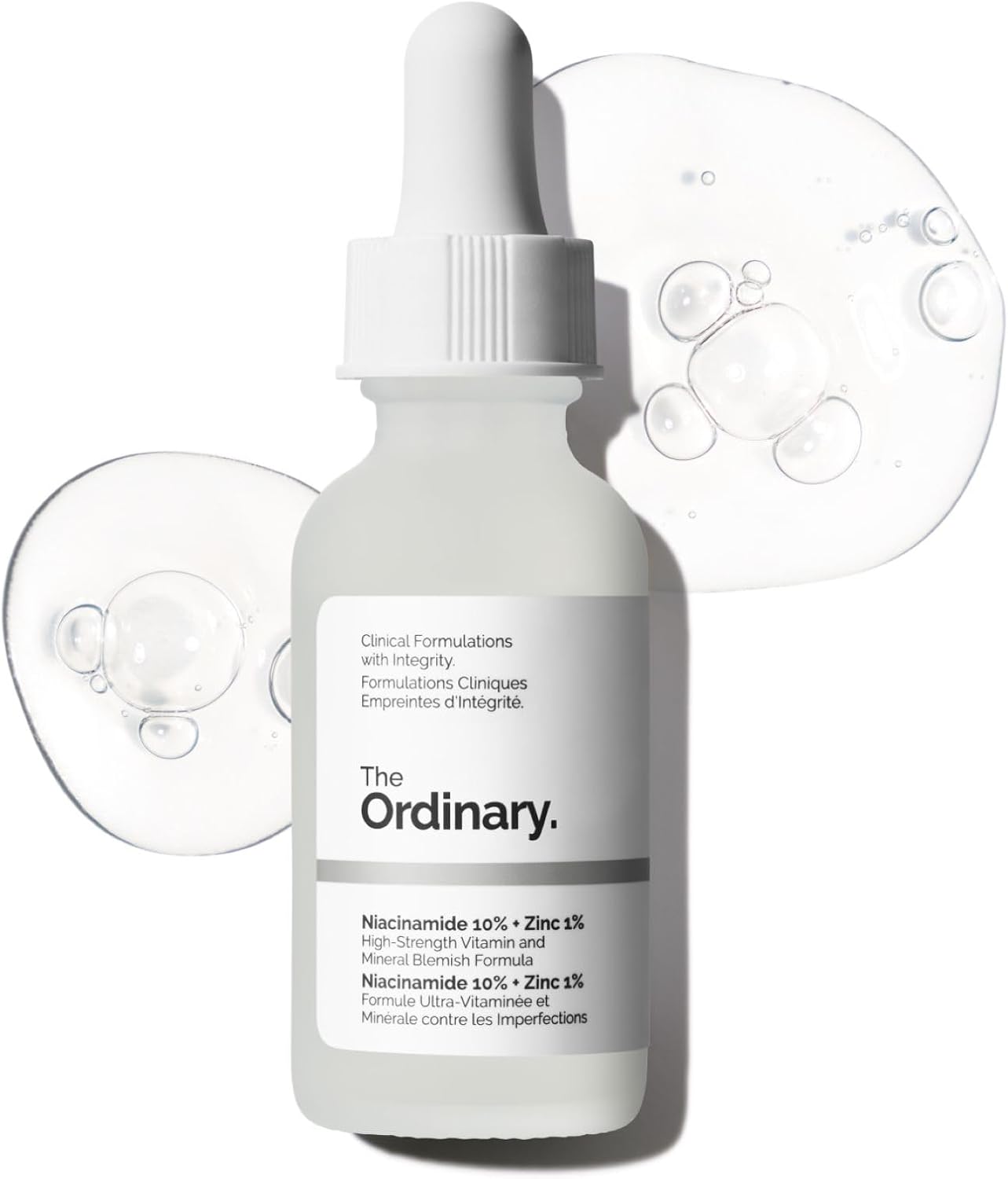
I'll be honest — I wanted to love The Ordinary Buffet. The name alone is a statement. Brandon Truaxe's original vision was to throw every proven peptide technology into a single bottle at a price that makes dermatologists uncomfortable, and on paper, that's exactly what this product does. Six peptide complexes, two forms of hyaluronic acid, a probiotic-derived ferment, and a supporting cast of amino acids and skin-identical humectants. It reads like a who's who of anti-aging ingredient lists. But two weeks on my face taught me something that the ingredient list can't: more isn't always more, and sometimes a buffet leaves you full but unsatisfied.
Brand & Product Context
The Ordinary, for anyone who's been living under a rock since 2016, is the Deciem brand that upended the skincare industry by selling clinical-grade actives at cost-plus pricing. Buffet was one of their earliest hero products and remains one of their best-sellers. The premise is simple: instead of buying separate serums for matrixyl, argireline, hyaluronic acid, and amino acids, you get them all in one 30ml bottle for roughly $15. The "Multi-Technology" in the name is the point — it's not one peptide, it's a buffet of them.
The product has since been reformulated and rebranded as "Multi-Peptide + HA" in some markets, though the original "Buffet" name persists on many retailer shelves and in the skincare community's vocabulary. The formula I tested is the classic Buffet in the frosted glass dropper bottle with the familiar minimalist typography. It's 30ml, priced around $14–16 USD depending on the retailer, and widely available at Sephora, Ulta, The Ordinary's website, and countless online retailers.
The Ingredient Breakdown
Here's the full INCI, courtesy of INCIDecoder:
Aqua (Water), Glycerin, Lactococcus Ferment Lysate, Acetyl Hexapeptide-8, Pentapeptide-18, Palmitoyl Tripeptide-1, Palmitoyl Tetrapeptide-7, Palmitoyl Tripeptide-38, Dipeptide Diaminobutyroyl Benzylamide Diacetate, Acetylarginyltryptophyl Diphenylglycine, Sodium Hyaluronate Crosspolymer, Sodium Hyaluronate, Allantoin, Glycine, Alanine, Serine, Valine, Isoleucine, Proline, Threonine, Histidine, Phenylalanine, Arginine, Aspartic Acid, Trehalose, Fructose, Glucose, Maltose, Urea, Sodium PCA, PCA, Sodium Lactate, Citric Acid, Hydroxypropyl Cyclodextrin, Sodium Chloride, Sodium Hydroxide, Butylene Glycol, Pentylene Glycol, Acacia Senegal Gum, Xanthan Gum, Carbomer, Polysorbate 20, PPG-26-Buteth-26, PEG-40 Hydrogenated Castor Oil, Trisodium Ethylenediamine Disuccinate, Ethoxydiglycol, Sodium Benzoate, Caprylyl Glycol, Ethylhexylglycerin, Phenoxyethanol, Chlorphenesin.
That's over 50 distinct ingredients, and the sheer density is the first thing to address. The Ordinary doesn't disclose the concentration of any of the peptides, which is standard industry practice but frustrating when you're trying to evaluate a product. Let me walk through the key complexes.
Acetyl Hexapeptide-8 (Argireline) is the most famous peptide in the formula — it's marketed as "Botox in a bottle" because it inhibits the release of neurotransmitters that cause facial muscle contractions. The catch? The research showing wrinkle reduction was done at 10% concentration, and The Ordinary doesn't disclose how much Argireline is in Buffet. Given that there are six peptide complexes sharing the formula, it's almost certainly below that threshold. The peptide is water-soluble and relatively large, meaning penetration through the stratum corneum is limited without a delivery system. Still, it's a legitimate signaling peptide with published data behind it.
Pentapeptide-18 (Leuphasyl) works through a similar mechanism to Argireline — it reduces muscle contraction signals — but through a different pathway (enkephalin-like activity). The idea is that combining two muscle-relaxing peptides that work through different mechanisms creates a synergistic effect. The research on this combination is promising but limited to in-vitro studies and small manufacturer-sponsored trials.
Palmitoyl Tripeptide-1 + Palmitoyl Tetrapeptide-7 (Matrixyl 3000) is the most well-supported peptide complex in the formula. Matrixyl 3000 is a registered trademark of Sederma, and it has the most robust published data of any topical peptide. Palmitoyl tripeptide-1 signals fibroblasts to produce more collagen, while palmitoyl tetrapeptide-1 reduces interleukin-6 production, which drives inflammation and collagen breakdown. The palmitoyl fatty acid chain improves penetration compared to non-lipidated peptides. Sederma's research showed measurable wrinkle reduction at 3% concentration, and again, we don't know the exact percentage in Buffet.
Palmitoyl Tripeptide-38 is a newer addition that stimulates collagen I, III, and VI production, along with fibronectin and hyaluronic acid. It's a broader-spectrum collagen stimulator than the Matrixyl 3000 peptides. The data is from the ingredient manufacturer (Lipotec) and shows promising results at 1–5% concentration.
Dipeptide Diaminobutyroyl Benzylamide Diacetate (Syn-Ake) is a synthetic peptide that mimics the activity of waglerin-1, a protein found in temple viper venom. It's another muscle-relaxing peptide, making it the third mechanism of action targeting expression lines. The "synthetic snake venom" marketing angle is a bit dramatic, but the peptide itself is legitimate — it's just not venom.
Acetylarginyltryptophyl Diphenylglycine is a newer peptide that I had to look up. It's a brightening peptide that targets melanin production. It's an interesting inclusion — it's the only peptide in the formula that isn't targeting wrinkles or expression lines, and it adds a skin-tone-evening dimension to the product.
Sodium Hyaluronate Crosspolymer + Sodium Hyaluronate provide the hydration backbone. The crosspolymer is a modified form that forms a film on the skin and slowly releases hyaluronic acid, while standard sodium hyaluronate provides immediate hydration. Together, they create a time-release moisture effect.
Lactococcus Ferment Lysate is a probiotic-derived ingredient that supports the skin's microbiome and has been shown to strengthen the skin barrier. It's the second ingredient after water, which suggests a meaningful concentration.
The amino acid blend — Glycine, Alanine, Serine, Valine, Isoleucine, Proline, Threonine, Histidine, Phenylalanine, Arginine, Aspartic Acid — reads like a who's who of protein-building blocks. The Ordinary positions these as "skin-identical" NMF (Natural Moisturizing Factor) components, and they're present in the formula at concentrations that likely contribute to hydration rather than signaling. They're not going to rebuild your collagen, but they help maintain the skin's moisture barrier.
The base formula also includes Trehalose, Fructose, Glucose, Maltose, Urea, Sodium PCA, PCA, Sodium Lactate — a comprehensive humectant and NMF cocktail that provides genuine hydration. Allantoin soothes. Citric Acid adjusts pH. The preservative system is Phenoxyethanol, Chlorphenesin, Ethylhexylglycerin, Caprylyl Glycol, Sodium Benzoate, which is standard and effective.
The elephant in the room: this formula contains PEG-40 Hydrogenated Castor Oil, Polysorbate 20, PPG-26-Buteth-26, and Carbomer — emulsifiers and stabilizers that some people with compromised barriers find irritating. The Ordinary also includes Butylene Glycol and Pentylene Glycol, which are generally well-tolerated but can be triggers for people with very reactive skin. This is not a "clean" formula by any stretch, and that's fine — it's a performance formula. But it's worth noting for those who are sensitive to PEGs or glycols.
Texture & Application Experience
Buffet is a slightly viscous, slightly cloudy gel-serum that dispenses cleanly from a standard dropper. It's not as watery as The Ordinary's Niacinamide 10% + Zinc, but it's not thick either — it sits in that middle zone of viscosity that spreads easily without running. One dropper-full covers my face and neck comfortably.
The application experience is where Buffet shows its best side. The high glycerin and hyaluronate content means it goes on with a pleasant slip, and the amino acid blend gives it a slightly silky, almost "cushiony" feel that I genuinely enjoy. It absorbs within about two minutes, leaving a slightly tacky finish that's less noticeable if you apply it to damp skin. On dry skin, the tackiness lingers longer — maybe five minutes — before it settles into a natural finish.
Layering is a mixed bag. Under lightweight gel moisturizers, Buffet plays nicely. Under richer cream moisturizers, it sometimes pills — especially if you don't wait long enough for it to absorb. Under sunscreen, it's hit or miss. I had pilling issues with two out of five sunscreens I tested it with, particularly the silicone-heavy ones. The PEG-based emulsifiers in Buffet don't always play well with dimethicone-based SPF formulas. This is a real annoyance for a product that's designed to be a morning serum.
The dropper itself is functional but not great. The frosted glass bottle looks clinical and chic, but the dropper doesn't always pull a consistent amount of product. Some dips I'd get a full dropper, others I'd get half. For a product you're supposed to use daily, the inconsistency is a minor but real frustration.
Two-Week Wear Test Results
Skin context: I have combination skin that leans oily in the T-zone, with early signs of aging — fine lines around the eyes and forehead, some loss of firmness along the jawline. I've used peptides before (Matrixyl 3000 standalone, copper peptides), so I have a baseline for comparison. I used Buffet twice daily — once in the AM under sunscreen, once in the PM under moisturizer — for two full weeks.
Days 1–4: The immediate effect was hydration. My skin felt plumper and more hydrated within the first day, which I attribute to the hyaluronic acid and amino acid blend. The tacky finish was annoying in the mornings — I'd apply Buffet, wait two minutes, apply sunscreen, and sometimes feel a slight drag. No irritation, no breakouts, no redness. The product is genuinely gentle, which is a credit to the formulation.
Days 5–9: The hydration benefit plateaued. My skin was well-hydrated, but no more so than when I use a dedicated hyaluronic acid serum. The fine lines around my eyes looked slightly softer, but I'm being honest — this could be the hydration effect rather than any peptide signaling. Well-hydrated skin always looks plumper and lines always look softer. I didn't see any change in the deeper expression lines on my forehead, which is where Argireline and the other muscle-relaxing peptides should theoretically be doing their work. By day 7, I was also noticing the pilling issue more frequently, especially with my go-to sunscreen.
Days 10–14: This is where I have to be blunt — I didn't see meaningful anti-aging results in two weeks. The fine lines around my eyes looked the same as they did at day 5, which is to say slightly softer than baseline but no different from what a good hydrating serum achieves. The expression lines on my forehead were unchanged. My skin tone was even, but it was already even. The one area where I noticed a genuine improvement was skin texture — my skin felt smoother and more supple, likely from the combination of the amino acid blend and the lactococcus ferment lysate supporting the moisture barrier.
Two weeks is not a long time for peptides. Collagen production takes months to show visible results, and the honest assessment is that no peptide serum will show dramatic anti-aging results in 14 days. But I've used standalone Matrixyl 3000 at known concentrations and seen more visible firming in the same timeframe, which suggests that the unknown concentrations in Buffet may be below the threshold for visible results.
Pros & Cons
Pros:
- Excellent hydration: The HA + amino acid + humectant blend provides genuine, lasting moisture
- Gentle and well-tolerated: No irritation, no breakouts, suitable for most skin types
- Impressive peptide variety: Six peptide complexes covering wrinkle prevention, collagen stimulation, and brightening
- Unbeatable price per peptide: At $15, you're getting more peptide technology per dollar than almost anything else on the market
- Probiotic support: Lactococcus ferment lysate at a meaningful concentration adds barrier benefits
- Widely available: Sephora, Ulta, The Ordinary's site, and countless online retailers
Cons:
- Unknown peptide concentrations: The "buffet" approach means each peptide is likely below the proven effective concentration — you get variety but potentially not potency
- Pilling under sunscreen: The PEG-based formula doesn't play well with silicone-heavy sunscreens, which is a problem for a morning serum
- Tacky finish: Noticeable stickiness on dry skin that takes several minutes to resolve
- Modest anti-aging results: After two weeks, I saw hydration and texture improvements but no meaningful change in fine lines or firmness
- Complex formula: Over 50 ingredients means more potential irritants and sensitizers, especially the PEGs and glycols
- Dropper inconsistency: The dropper doesn't pull a consistent amount of product, making dosing imprecise
Who Is This For?
Buffet is best suited for people new to peptides who want an affordable entry point to understand how their skin responds to these ingredients. It's also a reasonable choice for younger skin (20s–early 30s) focused on prevention rather than correction — the hydrating and barrier-supporting benefits are real, and the peptide cocktail provides a low-dose, broad-spectrum approach to anti-aging that's appropriate for skin that doesn't yet need intensive treatment.
It's not ideal for anyone looking for visible, measurable anti-aging results. If you have established fine lines, loss of firmness, or deeper wrinkles, you'd be better served by a standalone peptide serum at known concentrations. The buffet approach is a mile wide and an inch deep — it gives you a little of everything but not enough of any one thing to move the needle on visible aging.
If you have very sensitive skin or a compromised barrier, the PEGs and glycols in this formula could be a problem. The formula is gentle for most people, but "most" is not "all," and the ingredient count increases the odds of encountering a trigger.
Price & Where to Buy
The Ordinary Buffet retails at $14.80 USD for 30ml on The Ordinary's official website. It's available at Sephora, Ulta, Deciem stores, and most major online beauty retailers. It's one of the most accessible skincare products on the market — I've even seen it at some Target locations. The price is genuinely remarkable for a peptide serum, and it's the primary reason this product has maintained its cult status for years.
Comparison Notes
vs. The Ordinary Argireline Solution 10%: If expression lines are your primary concern, The Ordinary's standalone Argireline at a disclosed 10% concentration is the better choice. It's the same price, and you know exactly how much of the active peptide you're getting. Buffet likely contains far less Argireline, diluted by the other five peptide complexes.
vs. Paula's Choice Peptide Booster: Paula's Choice uses a simpler peptide complex with copper peptides at known concentrations, plus a cleaner base formula. It costs $52 for 20ml — significantly more expensive — but the ingredient transparency and formulation quality are superior. If budget isn't a concern, this is the better peptide product.
vs. Medik8 Liquid Peptides: Medik8 uses a 30% peptide complex with a proprietary delivery system designed to improve penetration. It's around $65 for 30ml, which is a steep jump from Buffet, but the clinical data is more compelling. The delivery system matters — peptides are large molecules that struggle to penetrate the skin, and Medik8 has invested in solving that problem.
Final Verdict
The Ordinary Buffet is a product I respect more than I love. The ambition is admirable — six peptide complexes, two forms of hyaluronic acid, a probiotic ferment, and a comprehensive amino acid blend, all for under $15. That's a value proposition that no other brand matches. But the execution reveals the limits of the buffet approach: when you try to put everything in one bottle, you can't put enough of any one thing. The peptide concentrations are unknown and almost certainly below the thresholds established by the research. The texture is pleasant but not seamless. The pilling issue is real. And after two weeks, I saw hydration and texture improvements but nothing that distinguishes this from a good hyaluronic acid serum at a fraction of the complexity.
If you're peptide-curious and budget-conscious, Buffet is a reasonable starting point. It won't hurt your skin, and the hydration is real. But if you're looking for visible anti-aging results, you're better off choosing a targeted peptide serum at a known concentration and committing to the months-long timeline that collagen production actually requires. The buffet is open, but the portions are small.