
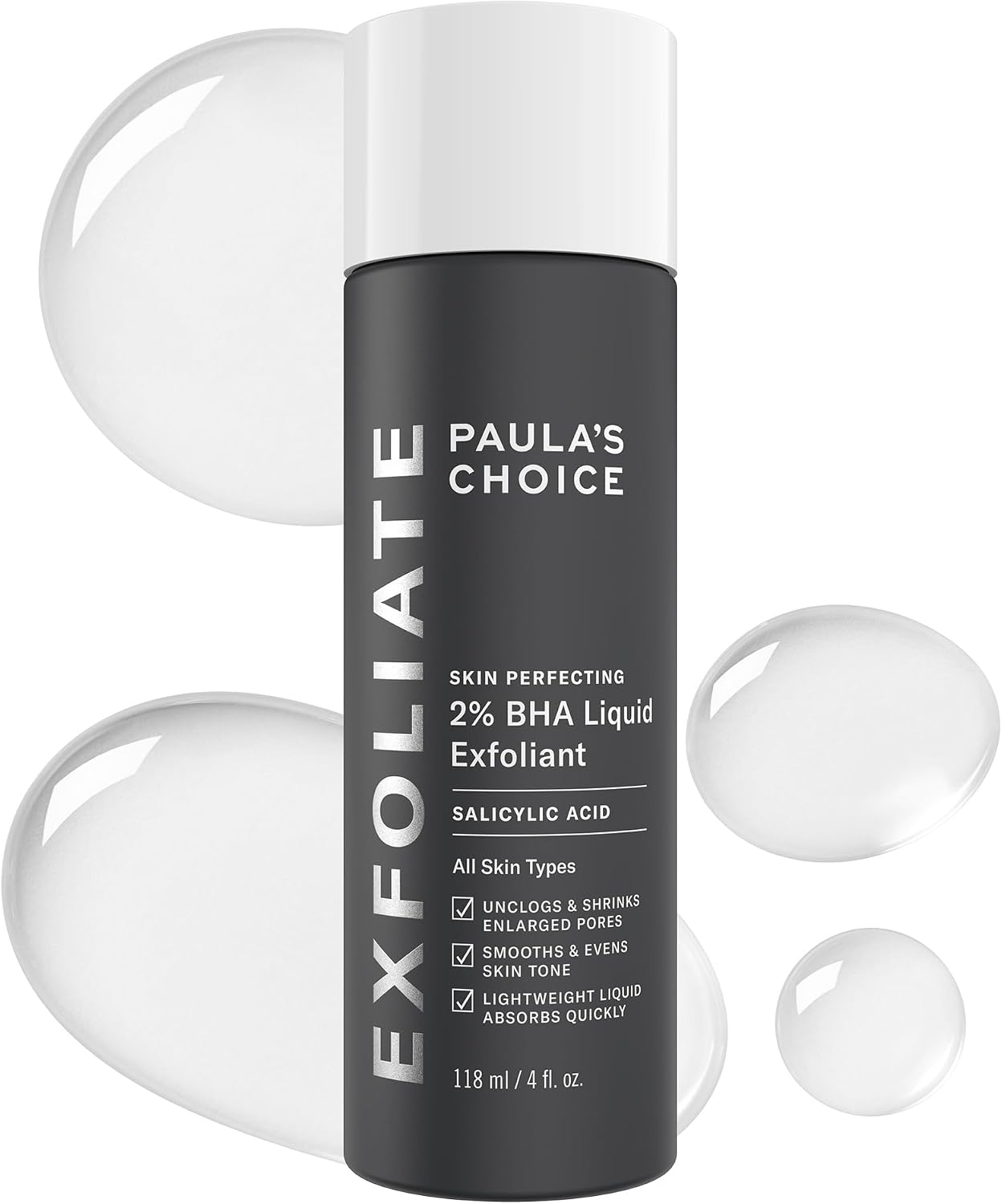
I have a love-hate relationship with vitamin C serums. The love part is easy — L-ascorbic acid at the right concentration and pH genuinely fades hyperpigmentation, boosts collagen production, and adds a brightness that no other ingredient can replicate. The hate part is everything else: the oxidation, the tingling, the sticky finish, the bottles that turn orange before you've used a third of the product. I've gone through more vitamin C serums than I can count, and most of them either irritated my skin or oxidized before I finished them. So when I picked up Paula's Choice C15 Super Booster, I was cautiously optimistic. Paula's Choice has a reputation for formulating with intention — their 2% BHA exfoliant is a gold standard — and the C15 comes with a promise that sounded too good to be true: 15% L-ascorbic acid, stabilized with vitamin E and ferulic acid, at a pH that's effective but not punishing. Two weeks later, here's what actually happened.
Brand & Product Context
Paula's Choice is a brand that built its identity on one principle: formulations backed by published research, not marketing hype. Founded by Paula Begoun — a consumer advocate who spent decades calling out misleading skincare claims before launching her own line — the brand has a loyal following among ingredient nerds and dermatologists alike. Their products are fragrance-free, cruelty-free, and they don't shy away from effective concentrations. The C15 Super Booster sits in their Resist anti-aging line, positioned as a brightening and antioxidant treatment for all skin types. The "Super Booster" naming is deliberate — it's designed to be mixed into your moisturizer or serum, not necessarily used as a standalone step. That flexibility is part of the appeal, though I tested it both ways.
The product comes in a 20ml opaque, airless pump bottle. At $49 USD on the Paula's Choice website, it's not cheap — especially for 20ml. But airless pump packaging for a vitamin C product is non-negotiable. L-ascorbic acid degrades on contact with light and air, so any vitamin C serum in a dropper bottle is already fighting a losing battle. The packaging here is exactly right.
The Ingredient Breakdown
Here's the full INCI list, courtesy of INCIDecoder:
Aqua, Ascorbic Acid (Vitamin C/Antioxidant), Butylene Glycol (Hydration), Ethoxydiglycol (Hydration), Glycerin (Hydration/Skin Replenishing), PPG-26-Buteth-26 (Texture-Enhancing), PEG-40 Hydrogenated Castor Oil (Texture-Enhancing), Pentylene Glycol (Skin Replenishing), Tocopherol (Vitamin E/Antioxidant), Sodium Hyaluronate (Hydration/Skin Replenishing), Hexanoyl Dipeptide-3 Norleucine Acetate (Skin-Restoring), Lecithin (Skin Replenishing), Ferulic Acid (Antioxidant), Panthenol (Skin Replenishing), Bisabolol (Skin-Soothing), Oryza Sativa Bran Extract (Skin-Softening), Hordeum Vulgare Extract (Antioxidant), Propyl Gallate (Antioxidant), Sodium Gluconate (Stabilizer), Sodium Hydroxide (pH Adjuster), Phenoxyethanol (Preservative), Ethylhexylglycerin (Preservative).
That's 22 ingredients, and the formula is structured around a well-documented antioxidant trio. Let me walk through the key players.
Ascorbic Acid at 15% is the headline act. L-ascorbic acid is the form of vitamin C that your skin can use directly — it doesn't need to be converted, it doesn't need enzymes, it just gets to work. The research on topical L-ascorbic acid is extensive: at concentrations between 10% and 20%, and at a pH below 3.5, it penetrates the stratum corneum effectively, neutralizes free radicals, inhibits melanin production (which is how it fades dark spots), and stimulates collagen synthesis. Fifteen percent is the sweet spot identified by the classic Duke University research — it's the concentration that maximizes absorption without crossing into irritation territory. The C15 is formulated at a pH of approximately 3.0, which is right in the effective range.
Tocopherol (Vitamin E) + Ferulic Acid are the two ingredients that make this formula genuinely different from a bare-bones ascorbic acid solution. This combination is based on the landmark research by Dr. Sheldon Pinnell at Duke, which demonstrated that L-ascorbic acid, when paired with vitamin E and ferulic acid, provides fourfold photoprotection compared to vitamin C alone. Vitamin E is a lipid-soluble antioxidant that works in the cell membrane while vitamin C works in the aqueous phase — they're complementary. Ferulic acid, a plant-derived antioxidant found in rice bran and oats, stabilizes the vitamin C and vitamin E while adding its own free-radical scavenging capacity. This is the same trio that powers Skinceuticals CE Ferulic, which costs $182 for 30ml. Paula's Choice is offering the same architecture at roughly a third of the price.
Sodium Hyaluronate is the sodium salt of hyaluronic acid — a smaller molecular weight version that penetrates deeper than standard HA. It's a humectant that draws water into the skin, and its presence here helps counteract the drying effect that low-pH ascorbic acid can have. Panthenol (provitamin B5) is another humectant and barrier-supporting ingredient that soothes and hydrates. Bisabolol, derived from chamomile, is a well-established anti-irritant and anti-inflammatory. These three are the buffer system — they're the reason this serum doesn't feel like you're pressing lemon juice onto your face.
Hexanoyl Dipeptide-3 Norleucine Acetate is a peptide that Paula's Choice calls their "skin-restoring" ingredient. It's a signaling peptide that promotes natural desquamation — basically, it helps dead skin cells shed more efficiently. It's not an exfoliant in the traditional sense, but it supports cell turnover in a gentler way than AHAs. It's an interesting inclusion that complements the brightening action of vitamin C.
Oryza Sativa Bran Extract (rice bran) and Hordeum Vulgare Extract (barley) are antioxidant-rich botanical extracts that add a secondary layer of free-radical protection. Propyl Gallate is another antioxidant that helps stabilize the ascorbic acid. Lecithin is a phospholipid that supports the skin barrier and helps with ingredient delivery. The formula is fragrance-free, alcohol-free, and has no essential oils — consistent with Paula's Choice's formulation philosophy.
Texture & Application Experience
Here's where the C15 Super Booster surprised me. Most 15% L-ascorbic acid serums have a texture problem — they're either watery and runny (like many DIY-style vitamin C serums) or thick and sticky (like Skinceuticals CE Ferulic, which has a distinct tackiness that takes a while to absorb). The C15 falls somewhere in between, and it's a pleasant surprise.
The serum is a thin, slightly viscous liquid — not quite a gel, not quite a water. It's dispensed from the airless pump in controlled amounts, and one pump is enough for the full face. On application, there's a brief, mild tingling sensation that lasts about 15–20 seconds. It's not burning, it's not uncomfortable — it's the low pH doing its thing. If you've used a vitamin C serum before, you know what this feels like. If you haven't, it's a brief warmth that fades quickly. On days when my barrier was compromised (after a strong AHA treatment, for example), the tingling was more pronounced, so I'd recommend avoiding active stacking on the same day.
Absorption is quick — within 90 seconds, the serum has fully sunk in. The finish is slightly dewy but not greasy, and it layers beautifully under moisturizer and sunscreen. I tested it under three different moisturizers (a gel cream, a richer cream, and a sleeping mask) and two sunscreens, and there was zero pilling. This is where the "booster" concept shines — you can mix one pump directly into your moisturizer for a diluted application if the full strength is too much, and the texture plays well with everything.
The airless pump is a genuine advantage. No dipping, no exposure to air, no oxidizing product sitting in a dropper. The opaque casing keeps light out. I've had the bottle open for three weeks now, and the serum is still clear — no yellowing, no browning. That's a strong sign that the ferulic acid and vitamin E are doing their stabilization job.
Two-Week Wear Test Results
Skin context: I have combination skin that leans oily in the T-zone, with sun spots on my cheekbones and a few stubborn post-inflammatory marks. I'm also prone to dullness in winter. I used the C15 Super Booster every morning, applied after cleansing and toning, before moisturizer and sunscreen. I chose the AM routine because vitamin C's antioxidant protection is most useful during the day when you're exposed to UV and environmental free radicals.
Days 1–3: The tingle was real on day one. Not painful — more like a mild effervescence across my cheeks. It faded within 20 seconds. By day two, the tingle was already less noticeable, and by day three, I barely felt it. My skin looked slightly brighter after the first application, but that's the classic "vitamin C glow" effect — it's a surface-level brightness from the low pH, not a real change in pigmentation. I wasn't fooled, but it was nice to see.
Days 4–7: The real changes started here. My skin texture felt smoother — not dramatically, but enough that I noticed when touching my cheek. The morning dullness I usually wake up with was less pronounced. I also noticed that my sunscreen was sitting better on my skin, which I attribute to the vitamin C creating a more even canvas. No new breakouts, no irritation, no dryness. The one thing I did notice was that I needed to be careful about timing — if I applied the C15 and immediately layered a niacinamide product on top, there was a brief flush. I solved this by waiting five minutes between the two steps.
Days 8–14: This is where the C15 earned its rating. The sun spots on my cheekbones — which have been there for over a year and have resisted niacinamide and azelaic acid — started to fade. Not disappear, but lighten. The edges became less defined, and the overall discoloration was noticeably reduced when I compared photos taken under the same lighting. My skin tone looked more even overall, and the dullness that had been my baseline for months was gone. My skin had a clarity that I hadn't seen since summer — and it was mid-winter. The peptide in the formula may have contributed to the smoother texture, but the heavy lifting was clearly the ascorbic acid + ferulic acid + vitamin E combination.
One important caveat: I did not use the C15 at night. I used a retinol serum in the PM, and combining high-percentage vitamin C with retinol in the same routine can be too much for some skin types. The AM/PM split worked well for me, and I'd recommend the same approach to anyone who uses both ingredients.
Pros & Cons
Pros:
- Proven antioxidant trio at 15%: Ascorbic acid + vitamin E + ferulic acid — the same gold-standard combination as Skinceuticals CE Ferulic at a fraction of the price
- Airless pump packaging: Keeps the vitamin C stable and oxidation-free; no dropper bottle degradation
- Flexible application: Can be used alone or mixed into moisturizer as a booster — ideal for sensitive skin that wants to ease into vitamin C
- Layers well under everything: No pilling, no tackiness, no balling up under sunscreen or moisturizer
- Fragrance-free and alcohol-free: Clean formula with no unnecessary irritants
- Bisabolol and panthenol for soothing: Smart buffer system that makes 15% ascorbic acid tolerable for most skin types
- Sodium hyaluronate for hydration: Counteracts the drying effect of low-pH ascorbic acid
- Visible brightening in two weeks: Real fading of sun spots and improved overall skin tone
Cons:
- $49 for 20ml is steep: The price-per-ml is high, and the bottle is small — you'll go through it in 6–8 weeks with daily use
- Initial tingling: The low pH causes a brief sting on application; not ideal for very sensitive skin
- Niacinamide conflict: The classic vitamin C + niacinamide incompatibility applies — you need to wait between layers or use them in separate routines
- Not hydrating enough alone: You need a moisturizer on top; this is a treatment, not a moisture step
- Still oxidizes eventually: The airless pump helps, but L-ascorbic acid has a shelf life — use it within 3–4 months of opening
- PPG-26-Buteth-26 and PEG-40 Hydrogenated Castor Oil: These texture-enhancing ingredients are functional but not the cleanest; some consumers prefer to avoid PEGs entirely
Who Is This For?
The C15 Super Booster is best suited for normal, combination, and oily skin types looking for a serious brightening and antioxidant treatment. If you have sun damage, post-inflammatory hyperpigmentation, or general dullness, this is one of the most effective vitamin C products you can get without a prescription. The ability to mix it into your moisturizer makes it a great option for people who want to start with vitamin C but are worried about irritation — dilute it at first, then work up to full strength.
It's not ideal for very sensitive or rosacea-prone skin — the 15% ascorbic acid at pH 3.0 is inherently irritating, even with the bisabolol buffer. If you fall into this category, consider a vitamin C derivative like tetrahexyldecyl ascorbate (which works at a neutral pH) instead. Dry skin types can use it but will need a rich moisturizer on top, as the formula itself is not deeply hydrating.
If you're using niacinamide in the same routine, be aware that the two can cause flushing when applied together at low pH. The solution is simple: apply vitamin C first, wait 10–15 minutes for the pH to normalize, then apply niacinamide. Or use vitamin C in the AM and niacinamide in the PM.
Price & Where to Buy
The Paula's Choice website lists the C15 Super Booster at $49.00 USD for 20ml. It's also available at Sephora, Dermstore, and Amazon through Paula's Choice's official storefront. Be cautious of third-party sellers on Amazon — counterfeit products are a known issue. The brand frequently runs 20% off sales (especially during Sephora's sale events), which brings the price down to around $39. At that price point, it's a genuinely good deal for a stabilized, 15% L-ascorbic acid formula with vitamin E and ferulic acid.
Comparison Notes
vs. Skinceuticals CE Ferulic: This is the comparison everyone makes, and for good reason — both use the same ascorbic acid + vitamin E + ferulic acid architecture. Skinceuticals has 15% L-ascorbic acid, 1% vitamin E, and 0.5% ferulic acid. Paula's Choice has 15% L-ascorbic acid with vitamin E and ferulic acid (the exact concentrations of the latter two aren't disclosed). Skinceuticals costs $182 for 30ml; Paula's Choice is $49 for 20ml. Per milliliter, Skinceuticals is roughly 2.5x more expensive. The texture is different — Skinceuticals is thicker and tackier, while Paula's Choice is lighter and absorbs faster. In terms of results, I saw comparable brightening from both. If budget isn't a concern, Skinceuticals has a slight edge in the prestige packaging and the exact concentrations are published. But for most people, Paula's Choice delivers 90% of the performance at 40% of the price.
vs. The Ordinary Vitamin C Suspension 23% + HA Spheres 2%: The Ordinary's formula uses a higher percentage of L-ascorbic acid (23%) but in a suspension format, meaning the ascorbic acid particles sit on the surface of the skin rather than being dissolved. The texture is gritty and the product is notorious for causing irritation. It's $6 for 30ml, which is unbeatable on price, but the experience is rough. Paula's Choice is a fully dissolved, elegant formula that's actually pleasant to use. If you're on a strict budget and can tolerate the grit, The Ordinary works. If you want something you'll actually look forward to applying, spend the money on Paula's Choice.
vs. COSRX The Niacinamide 15 Serum: These are different ingredients for different concerns, but they're both 15% actives in the same price range. COSRX is for oil control and acne marks; Paula's Choice is for brightening and antioxidant protection. If you're choosing between them, the question is: are you fighting oil and breakouts (COSRX) or dullness and sun damage (Paula's Choice)? For best results, you can use both — vitamin C in the AM, niacinamide in the PM.
Final Verdict
Paula's Choice C15 Super Booster is the vitamin C serum I'd recommend to most people who want real results without the Skinceuticals price tag. The formula is smart — it uses the proven ascorbic acid + vitamin E + ferulic acid combination, adds a thoughtful buffer system of bisabolol and panthenol, and packages it in an airless pump that keeps the product stable. The "booster" concept is more than marketing — being able to mix it into your moisturizer makes it accessible for people who can't tolerate full-strength vitamin C on its own. At $49 for 20ml, it's not cheap, but the price-per-use is reasonable when you consider that one pump covers the full face and the formula stays stable for months. The two-week results I saw — genuine fading of sun spots, improved skin tone, and a visible brightness that wasn't just a surface pH effect — are exactly what a vitamin C serum should deliver. It's not perfect: the initial tingle is real, the niacinamide timing issue is annoying, and the bottle will only last 6–8 weeks. But as a daily antioxidant treatment that actually works, the C15 Super Booster earns its place in the routine.