I have a complicated relationship with gel sunscreens. On paper, they sound perfect — lightweight, fast-absorbing, no greasy residue. In practice, most of them either pill under makeup, leave a strange silicone film, or dry out my skin with denatured alcohol. So when Missha's All Around Safe Block Aqua Sun Gel SPF50+ PA++++ kept showing up in K-beauty recommendation threads, I was skeptical but curious enough to commit to a full two-week wear test.
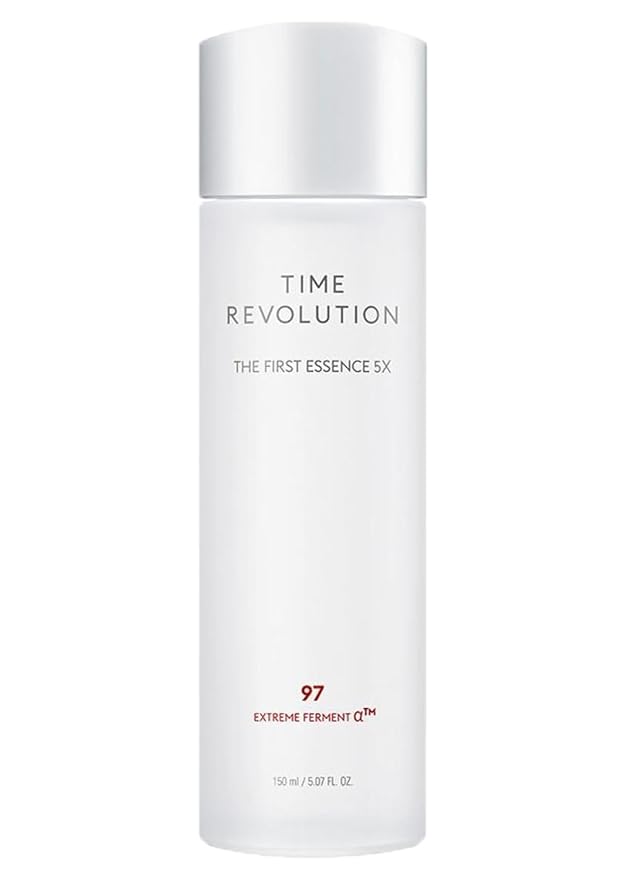
Missha is a brand that occupies an interesting space in Korean skincare — not quite luxury, not quite budget, but consistently delivering products that punch above their price point. Their Time Revolution First Treatment Essence is a cult classic for good reason. The Aqua Sun Gel sits in their sunscreen lineup as the lightweight, water-gel option, positioned alongside their thicker Soft Finish and Essence Sun variants. After fourteen days of testing it across different conditions, I have thoughts — and they're mostly positive, with one significant caveat I'll get to.
The Filter System: What's Actually Protecting You
The Aqua Sun Gel uses a chemical filter combination anchored by Ethylhexyl Methoxycinnamate (Octinoxate) as the primary UVB filter, supported by Octocrylene for additional UVB coverage and filter stabilization, Ethylhexyl Salicylate (Octisalate) as a UVB booster, and Butyl Methoxydibenzoylmethane (Avobenzone) for UVA1 protection. The formulation also includes Bis-Ethylhexyloxyphenol Methoxyphenyl Triazine (Tinosorb S), which is a broad-spectrum photostable filter that strengthens both UVA and UVB defense.
This is a mixed-generation filter system. The Octinoxate and Avobenzone combination is the workhorse pair found in many Western sunscreens — effective but with known stability concerns. Avobenzone degrades after about two hours of UV exposure unless properly stabilized, which is where the Octocrylene and Tinosorb S come in. Octocrylene acts as a photostabilizer for Avobenzone, and Tinosorb S is one of the most photostable filters available globally. The PA++++ rating confirms UVA protection meets the PPD ≥ 16 threshold required by Korean MFDS standards.
Here's the trade-off: Octinoxate is a coral-reef concern and is banned in several regions including Hawaii and Palau. If reef safety is a priority for you, this is not the sunscreen for beach holidays. For daily urban wear, the filter system is effective and the Korean regulatory testing gives me confidence in the SPF50+ claim.
The Alcohol Question
Alcohol Denat. appears as the third ingredient, right after Water and Octinoxate. This is the aspect of the Aqua Sun Gel that will divide people, and it's worth addressing directly. Denatured alcohol in sunscreens serves a real functional purpose — it acts as a solvent for the UV filters, helps the product spread evenly, and speeds up the drying time dramatically. Without it, this gel would not have the lightweight, quick-absorbing texture that makes it appealing.
The concern with alcohol in skincare is legitimate: repeated use of high-alcohol products can compromise the skin barrier over time, especially for dry or sensitive skin types. However, context matters. The concentration here is significant enough to notice (you can smell it briefly during application), but the formula also includes compensating ingredients — Dipropylene Glycol for hydration, Caprylic/Capric Triglyceride as an emollient, and plant extracts that provide antioxidant benefits. For my combination skin, the alcohol was noticeable but not destructive over two weeks. For someone with already dry or compromised skin, I'd recommend a patch test first.
Texture & Application Experience
The Aqua Sun Gel delivers on its name. It is genuinely a gel — a lightweight, slightly cool-to-the-touch product that spreads like a hydrating serum rather than a traditional sunscreen. The Cyclopentasiloxane and Dimethicone give it a smooth, silicone-gliding texture that makes application effortless. A quarter-sized amount covers my face and neck evenly without any tugging or dragging.
It absorbs in about 45 seconds. There is a brief alcohol scent that dissipates almost immediately — not the lingering chemical smell of some Western sunscreens, but a quick flash that tells you the solvent is evaporating. After absorption, there is zero white cast on my warm olive skin tone, and I confirmed the same on a friend with deep brown skin. The finish is a natural satin — not dewy, not matte, just skin-like. It's one of the better finishes I've experienced in a gel sunscreen.
The Methyl Methacrylate Crosspolymer gives the formula a slight blurring effect that makes pores look less prominent. It's subtle, not a makeup-level blur, but noticeable enough that I sometimes skipped primer on casual days.
Two-Week Wear Test
Conditions tested: Office work-from-home days (8+ hours indoor), outdoor lunch walks (30–45 min midday sun), one hot and humid 90°F weekend at an outdoor market, and a cooler overcast day that I specifically used to test the "no sun, no sunscreen" myth.
Indoor days: The Aqua Sun Gel is a pleasure to wear indoors. It's light enough that you forget it's on, which is the highest compliment I can give a sunscreen. It played well with every foundation and concealer I tried — no pilling, no strange texture buildup, no midday separation. Reapplication at the 3-hour mark was seamless; the gel layers over itself without turning cakey or feeling heavy.
Outdoor exposure: After 45-minute midday walks over four consecutive days, I experienced no sunburn, no visible flushing, and no new pigmentation spots. My skin felt warm but not damaged — the sunscreen was doing its job. The sweat resistance claim is modest but real; the product didn't run into my eyes during the outdoor market day, though it did feel like it was breaking down after about two hours of continuous sweating. I reapplied and was fine.
Skin feel over time: This is where the alcohol becomes relevant. By the end of the first week, my typically combination skin felt slightly drier than usual in my cheek area. It wasn't dramatic — no flaking, no irritation — but I noticed I was reaching for a slightly thicker moisturizer at night. By the second week, I started applying a hydrating toner underneath the sunscreen, which resolved the issue entirely. The plant extracts (Mesembryanthemum Crystallinum Extract, Limonia Acidissima Extract, and Rosa Davurica Bud Extract) provide some antioxidant and soothing benefits, but they're not present at concentrations that offset the drying effect of the alcohol for moisture-compromised skin.
Pros & Cons
- Lightweight gel texture: Genuinely feels like a hydrating serum, not a sunscreen. Fast absorption, no greasy residue.
- Zero white cast: Invisible on all skin tones I tested — warm olive and deep brown.
- Smooth finish: Satin, skin-like finish with subtle pore-blurring effect. Works beautifully under makeup.
- Korean SPF50+ PA++++: MFDS-tested with in-vivo SPF confirmation. The protection is real.
- Tinosorb S included: Adds photostability and broad-spectrum reinforcement to the filter system.
- Affordable: Typically $10–$15 for 70ml, which is excellent value for a Korean SPF50+.
- Alcohol Denat. is the third ingredient: Noticeable drying effect over time. Not ideal for dry or sensitive skin without a hydrating layer underneath.
- Octinoxate-based: Not reef-safe. Not suitable for beach or marine environments where this filter is restricted.
- Fragrance added: Contains fragrance (listed as the last ingredient). It's faint, but present — skip if you're sensitive.
- Sweat resistance is limited: Fine for daily urban wear, but not sufficient for sustained outdoor activity without frequent reapplication.
Who Is This For?
The Aqua Sun Gel is best suited for normal to combination skin types who want a lightweight, no-fuss daily sunscreen for primarily indoor or urban outdoor exposure. If you work in an office, commute, and spend most of your day inside with occasional outdoor time, this is an excellent option. The texture is comfortable enough that you'll actually want to wear it every day, which is the most important quality in any sunscreen.
If you have dry skin, you can still use it — but layer a hydrating toner or essence underneath, and consider a richer moisturizer at night to compensate. If you have sensitive or rosacea-prone skin, the combination of alcohol and fragrance makes this a riskier choice. If you need a reef-safe sunscreen or something for extended outdoor activity, look elsewhere.
Price & Where to Buy
The Missha All Around Safe Block Aqua Sun Gel SPF50+ PA++++ typically retails for $10–$15 for a 70ml tube. You can find it on YesStyle, Stylevana, Olive Young Global, and directly from Missha's website. Amazon carries it through third-party sellers, but be cautious about counterfeits — stick to authorized retailers when possible. At this price point for 70ml of Korean SPF50+, it's one of the most affordable daily sunscreen options available.
Comparison Notes
Against Isntree Hyaluronic Acid Watery Sun Gel: The Isntree is alcohol-free and more hydrating, making it the better choice for dry skin. The Missha absorbs slightly faster and has a more silicone-smooth finish, but the Isntree is gentler overall.
Against Beauty of Joseon Relief Sun: Relief Sun uses a modern, alcohol-free filter system with rice extract and probiotics. It's more conditioning and more hydrating. The Missha is lighter and faster-absorbing, but the alcohol and older-generation filters make it a less elegant formulation.
Against Biore UV Aqua Rich Watery Essence: Both use Alcohol Denat. prominently and share a similar lightweight gel texture. The Biore feels slightly more watery and absorbs a touch faster, but the Missha provides a slightly better finish with its blurring effect. Functionally, they're close cousins.
Final Verdict
The Missha All Around Safe Block Aqua Sun Gel is a solid, affordable daily sunscreen that delivers on its core promise: lightweight, invisible, effective UV protection. The gel texture is genuinely comfortable, the finish is flattering, and the SPF50+ PA++++ rating is backed by Korean regulatory testing. The alcohol content is the elephant in the room — it's what makes the texture possible, but it's also what limits the product's suitability for dry and sensitive skin. At $10–$15 for 70ml, it's an easy recommendation for normal to combination skin types who want a no-drama daily sunscreen. Just layer something hydrating underneath, and you're set.