
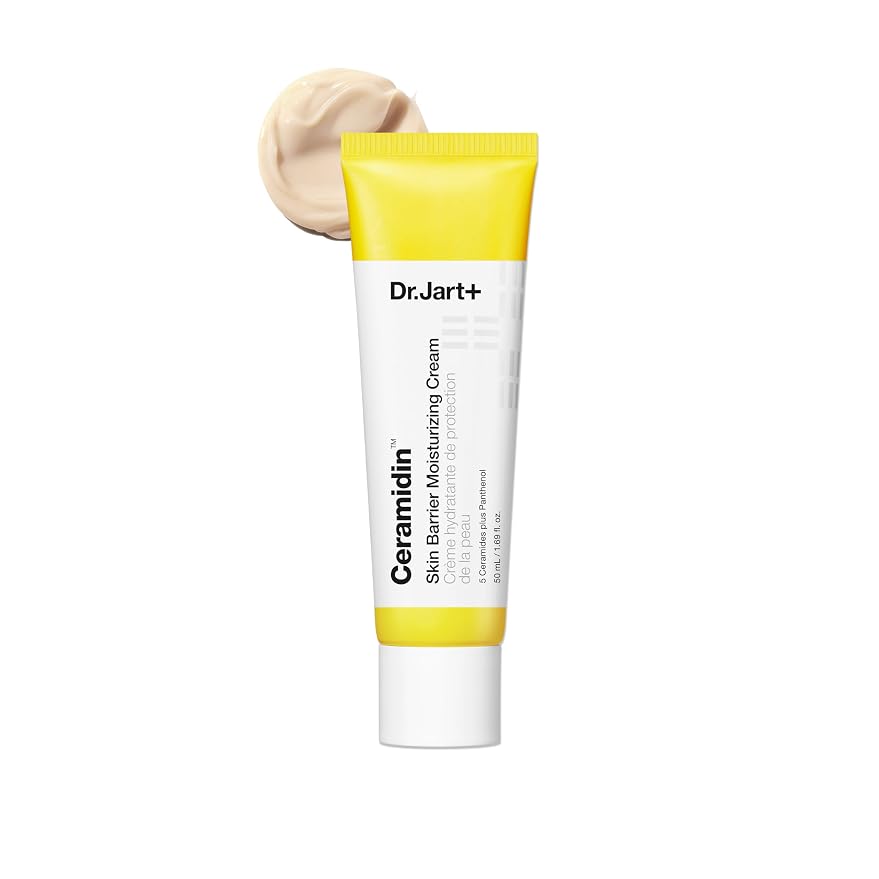
There are skincare products that arrive with a whisper and leave with a shrug, and then there are products that arrive with a full marching band and somehow manage to keep the parade going for years. Dr. Jart+'s Ceramidin Cream falls squarely in the second camp. It's been a bestseller in Korea and abroad for over a decade, recommended by dermatologists and beauty editors alike, and it has spawned an entire Ceramidin sub-line within the Dr. Jart+ universe. I finally sat down with a full jar and wore it for two weeks straight to see whether the hype is justified — or whether this cream is coasting on brand recognition and a clever ingredient name.
Brand Context: Why Dr. Jart+ Matters
Dr. Jart+ was founded in 2004 by Dr. Jung Sung-Jae, a Korean dermatologist, and his business partner Jin Wook Lee. The brand's name is a contraction of "Doctor Joins with Art" — a nod to the idea that effective skincare can also be thoughtfully designed. Dr. Jart+ was one of the first Korean brands to popularize the concept of "derma-cosmetics" — products that bridge the gap between clinical formulations and consumer-friendly packaging. The Ceramidin line, launched in the early 2010s, was a response to a growing awareness in Korean dermatology that barrier repair was the foundation of all skin health. Before Ceramidin, most Korean moisturizers focused on hydration through humectants like hyaluronic acid. Dr. Jart+ bet on ceramides instead — and the market followed.
The original Ceramidin Cream was reformulated recently and rebranded as "Ceramidin™ Cream" (note the trademark symbol). The new version swaps out some of the volatile silicones and essential oils from the old formula and adds a more diverse ceramide complex. I tested the current reformulated version.
Ingredient Breakdown
The Ceramidin Cream's ingredient list is a dense, ambitious document. It reads like a ceramide manifesto — five distinct ceramides, cholesterol, and a supporting cast of botanical extracts, peptides, and fermentation products. The formula is built around a central thesis: the skin barrier needs a full spectrum of ceramides to function properly, not just a token appearance of one.
Key Actives
- Ceramide NP: The backbone ceramide. Also known as Ceramide 3, this is the most abundant ceramide in human skin and the one most commonly used in skincare. It restores the lamellar structure of the stratum corneum and prevents transepidermal water loss. Dr. Jart+ places it relatively high in the INCI list, which is a good sign — many brands bury ceramides near the bottom for label appeal.
- Ceramide AP: A less common ceramide that reinforces the skin's moisture barrier alongside Ceramide NP. Its inclusion signals that Dr. Jart+ is thinking about ceramide diversity, not just ceramide presence.
- Ceramide AS: A phytosphingosine-based ceramide that plays a role in the skin's natural defense against environmental stressors. Rarely seen in commercial formulations at meaningful concentrations.
- Ceramide NS: Another ceramide that contributes to the lipid matrix of the stratum corneum. The combination of five ceramides is ambitious — most competitors stop at one or two.
- Ceramide EOP: The rarest ceramide in the line-up. Ceramide EOP (also called Ceramide 1) is critical for the long-chain fatty acid barrier and is one of the first ceramides depleted when the barrier is damaged. Very few brands include this due to cost and formulation instability.
- Cholesterol: Essential for lamellar membrane formation in the stratum corneum. Without cholesterol, ceramides can't organize properly into the lipid layers that make the barrier functional. Its presence here completes the ceramide-cholesterol-fatty acid triad that dermatology research consistently recommends.
- Palmitic Acid & Stearic Acid: Fatty acids that complete the triple-lipid complex. These also contribute to the cream's rich texture and emollient feel.
- Shea Butter (Butyrospermum Parkii Butter): A new addition in the reformulated version. Rich in stearic and oleic acids, it provides occlusive moisturization and anti-inflammatory benefits. This is a significant upgrade over the old formula — shea butter adds genuine emolliency without relying on heavy silicones.
- Squalane: Lightweight emollient that mimics the skin's natural sebum. Improves spreadability and adds a seal without clogging pores.
- Sodium Hyaluronate + Hydrolyzed Hyaluronic Acid: Two forms of hyaluronic acid — the standard sodium hyaluronate for surface hydration and the hydrolyzed version for deeper penetration. A smart pairing for a product that needs to hydrate from the inside out.
- Bifida Ferment Lysate: A probiotic-derived ingredient that strengthens the skin's defense mechanisms. Common in premium K-beauty formulations and increasingly supported by research on the skin microbiome.
- Palmitoyl Pentapeptide-4: A peptide that stimulates collagen production. It's present at a low concentration here — more of a supporting player than a headline act, but a welcome inclusion.
- Panthenol (Vitamin B5): A humectant and barrier supporter that attracts water into the upper layers of the skin and promotes keratinocyte migration during repair.
- Beta-Glucan: A soothing, immune-boosting polysaccharide derived from yeast or oats. Particularly effective at calming irritated skin and supporting barrier recovery.
What's Not in It
The reformulated version has removed some of the more controversial ingredients from the original. The old formula contained cyclomethicone and cyclopentasiloxane — volatile silicones that have raised environmental concerns. The new version uses methyl trimethicone and phenyl trimethicone instead, which are less controversial. The formula still contains essential oils — bergamot fruit extract, geranium flower oil, patchouli leaf oil, and sage oil — along with the fragrance compounds limonene, linalool, and geraniol. This is my biggest criticism of the product. For a cream marketed as a barrier-repair solution for sensitive and compromised skin, the inclusion of essential oils and fragrance compounds is a genuine misstep. These are known irritants and sensitizers, and they undermine the otherwise clinical approach to the formula.
Texture & Application
Ceramidin Cream has a distinctive texture that I can only describe as "whipped balm." It's denser than a typical cream but lighter than a true ointment. The cream is a pale yellow-beige color — thanks to the caramel colorant and the botanical extracts — and it has a smooth, slightly springy consistency that holds its shape when you scoop it from the jar. A little goes a long way. A pea-sized amount covers the full face, and it spreads easily once it starts to warm against the skin.
The finish is a soft satin — not matte, not glossy, but somewhere in between. There's a slight tackiness for the first five to seven minutes after application, which is longer than I'd like. Once it sets, though, it creates a comfortable, protective layer that feels like it's genuinely doing something rather than just sitting on top of the skin. The scent is mild but noticeable — a faint herbal-floral blend from the essential oils. It's not overpowering, but if you're sensitive to fragrance, you'll notice it.
I tested it as a nighttime moisturizer and as a daytime option under sunscreen. At night, it's excellent — rich enough to feel substantial, and I consistently woke up with softer, more hydrated skin. During the day, it works under sunscreen, but you need to give it a full five minutes to absorb before layering. If you're impatient or live in a humid climate, the daytime experience might feel heavy.
Two-Week Wear Test
Conditions tested: Early spring with fluctuating temperatures — cold mornings in the 40s, warm afternoons in the 60s, and indoor heating still running at night. I also tested it during a period where I was increasing my tretinoin frequency from twice a week to every other night.
Days 1–3: I started using Ceramidin Cream during a tretinoin adjustment period. My cheeks were flushed and slightly flaky, and my usual moisturizer wasn't cutting it. The first application was immediately soothing — the cream's density felt like a physical barrier against the elements. The flushing calmed within an hour. By the second morning, the flakiness around my nose had softened noticeably. I was impressed by how quickly it took the edge off the tretinoin irritation.
Days 4–7: The flakiness was gone entirely. My skin felt more resilient — not just hydrated, but actually stronger. I was able to push through the tretinoin adjustment without the usual setback of having to pause for a week. The five-ceramide complex was clearly doing its job. However, I did notice a small cluster of closed comedones on my forehead by day six. I can't definitively attribute them to the cream — it could have been the tretinoin purge — but the timing was suspicious. I reduced my application to a thinner layer on my forehead and they resolved within a few days.
Days 8–14: By the second week, my skin had reached a comfortable equilibrium. The tretinoin was tolerable at every-other-night frequency, and the Ceramidin Cream was providing a reliable moisture foundation. My skin looked less dull and felt more elastic — not a dramatic transformation, but a clear, measurable improvement in overall skin quality. I continued using a thinner layer on my forehead and had no further issues.
One observation worth noting: I tried the Ceramidin Cream on a persistent dry patch on my right hand — the kind that cracks in winter and ignores every hand cream I throw at it. After three nights of applying a thick layer before bed, the patch was visibly improved. The skin was smoother, less cracked, and the redness had faded. This isn't a controlled test, but it reinforced my sense that this cream excels at barrier repair.
Pros
- Five-ceramide complex: Ceramide NP, AP, AS, NS, and EOP — this is the most diverse ceramide lineup I've seen in a commercially available cream. Most competitors offer one or two. Dr. Jart+ is clearly committed to ceramide science, not just ceramide marketing.
- Complete lipid matrix: The ceramide-cholesterol-fatty acid triad is present and accounted for. This is the combination that dermatology research consistently recommends for barrier repair.
- Reformulated upgrade: The new version replaces volatile silicones with shea butter and adds ceramide diversity. It's a genuine improvement over the original.
- Effective barrier repair: My compromised barrier showed visible improvement within three days. The cream doesn't just mask dryness — it supports actual recovery.
- Probiotic and peptide support: Bifida ferment lysate and palmitoyl pentapeptide-4 add meaningful value beyond the ceramide core.
- A little goes a long way: A pea-sized amount covers the full face. The 50ml jar lasts a long time with regular use.
Cons
- Essential oils and fragrance compounds: This is the elephant in the room. Bergamot fruit extract, geranium flower oil, patchouli leaf oil, sage oil, limonene, linalool, and geraniol are all present. For a product targeting sensitive and barrier-damaged skin, these ingredients are a genuine contradiction. They can cause irritation, contact dermatitis, and photosensitivity — the exact problems this cream is supposed to solve.
- Jar packaging: The tub format exposes the formula to air and contamination with each use. Ceramides are sensitive to oxidation, and the jar packaging means the product degrades faster than it would in a pump or tube. I use a clean spatula to avoid dipping fingers in, but it's an extra step.
- Can be heavy for daytime use: In humid conditions or on oily skin, this cream feels too rich for morning use. The tackiness period (five to seven minutes) is also longer than I'd like.
- Potential for closed comedones: On my forehead, the cream caused a small breakout when I applied it too generously. If you're acne-prone, use a thin layer and avoid areas prone to congestion.
- Price: At $48–52 for 50ml, this is one of the more expensive ceramide creams on the market. You can get comparable ceramide diversity from Aestura Atobarrier 365 Cream at less than half the price.
Who Is This For?
This cream is best suited for dry to very dry skin types who need serious barrier support — whether from retinoid use, over-exfoliation, harsh weather, or chronic dehydration. If your skin feels tight, papery, or reactive, and you're not sensitive to fragrance, Ceramidin Cream will feel like a rescue. Combination skin can use it as a nighttime treatment, applying a thinner layer on the T-zone. Oily skin types should look elsewhere — this cream is too rich for you, and there are lighter ceramide options that deliver the same actives without the weight.
If you are sensitive to essential oils or fragrance, I'd recommend proceeding with caution. The ingredient list includes multiple known irritants, and while the concentrations appear low, sensitive skin doesn't care about concentrations — it cares about exposure. Patch test before committing to full-face use.
Price & Where to Buy
Dr. Jart+ Ceramidin Cream retails for approximately $48–52 USD for 50ml. It's available at Sephora, Dermstore, Amazon (verify the seller is authorized), and directly from Dr. Jart+'s website. In Korea, you can find it at Olive Young stores and online. The 50ml jar is a reasonable size — with twice-daily use of a pea-sized amount, it lasts roughly two to three months. Dr. Jart+ also offers a smaller 30ml size for around $32, which is a good option if you want to try before committing to the full size.
Comparison Notes
Against Aestura Atobarrier 365 Cream: Aestura is the closest competitor in terms of ceramide diversity — it uses three ceramides plus cholesterol and fatty acids. Aestura is fragrance-free, lighter in texture, and costs roughly $20–25 for 80ml. If you're sensitive to fragrance or on a budget, Aestura is the better choice. Dr. Jart+ has a richer, more emollient texture and two additional ceramides (AS and NS), but the fragrance inclusion is a significant drawback for a barrier-repair product.
Against Illiyoon Ceramide Ato Concentrate Cream: Illiyoon is the budget option at around $15 for 100ml. It contains ceramide NP and a ceramide-containing complex, but it lacks the ceramide diversity of Dr. Jart+. The texture is lighter and the formula is fragrance-free. Illiyoon is the better everyday moisturizer for maintenance; Dr. Jart+ is the better targeted treatment for acute barrier damage.
Against CeraVe Moisturizing Cream: CeraVe uses ceramide NP and ceramide AP in a petrolatum-based formula with hyaluronic acid. It's cheaper ($15–18 for 340g), widely available, and fragrance-free. The petrolatum base creates a heavier occlusive feel. Dr. Jart+ has superior ceramide diversity and a more elegant texture, but CeraVe is the better value and the safer choice for sensitive skin.
Final Verdict
Dr. Jart+ Ceramidin Cream is a genuinely effective barrier-repair moisturizer with an impressive ceramide complex that puts most competitors to shame. The five-ceramide lineup paired with cholesterol, fatty acids, shea butter, and a supporting cast of probiotics and peptides is a formula designed by people who understand ceramide science. It repaired my tretinoin-stressed barrier within days, and the reformulated version is a clear upgrade over the original. But I can't ignore the essential oils. For a product that positions itself as a solution for compromised, sensitive skin, the inclusion of bergamot, geranium, patchouli, and sage oils — along with the fragrance compounds limonene, linalool, and geraniol — is a frustrating contradiction. It's like building a state-of-the-art clean room and then leaving the door open. The cream works, and it works well, but it could have been perfect if Dr. Jart+ had the courage to go fragrance-free. At $48–52, you're paying for the ceramide diversity and the brand name — and the brand name doesn't come cheap. If you're not sensitive to fragrance and you need a rich, ceramide-forward moisturizer, this is one of the best. If fragrance is a dealbreaker, look to Aestura or CeraVe instead.