
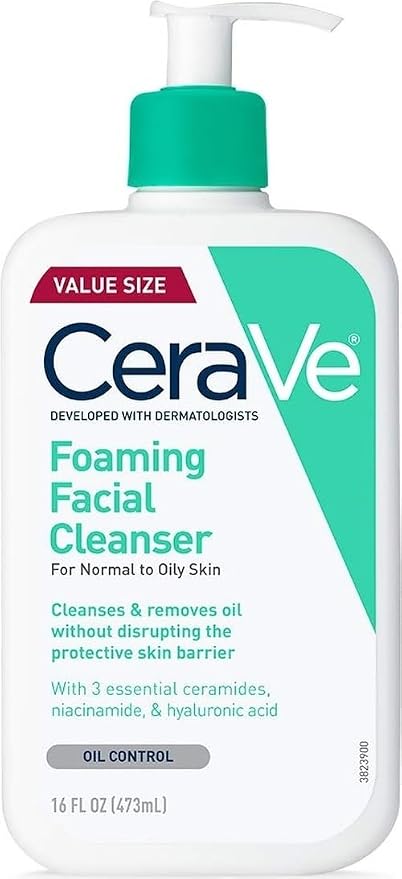
There's a specific kind of dread that comes with the cleanser aisle at a drugstore. Walls of bottles, all promising the same thing — clean skin — and most of them delivering the same result: a tight, squeaky face that feels like someone wrung it out like a dishrag. I've been through more cleansers than I care to count, and I've landed on the same conclusion most ingredient-literate people eventually reach: the best cleanser is the one that cleans without stripping. CeraVe's Foaming Facial Cleanser has been sitting on drugstore shelves for years, recommended by dermatologists with the enthusiasm usually reserved for sunscreen, and it's become one of those products that's so ubiquitous it's almost invisible. I decided to pull it into a proper two-week wear test to see whether it genuinely earns its reputation or whether it's coasting on brand recognition and a reasonable price tag.
Brand Context: Why CeraVe Matters
CeraVe was developed in 2005 by a team of dermatologists in collaboration with L'Oréal, and the brand's entire identity is built around one concept: ceramides. The name is literally a portmanteau of "ceramide" and "MVE" — the brand's MultiVesicular Emulsion technology, a controlled-release delivery system that's supposed to keep ingredients working over time rather than washing them down the drain. CeraVe's rise from dermatologist-recommended clinical brand to mainstream phenomenon has been remarkable. In 2017, L'Oréal acquired the brand outright, and since then CeraVe has become one of the top-selling skincare brands in the United States, with a presence in nearly every drugstore, supermarket, and big-box retailer in the country.
The Foaming Facial Cleanser is one of CeraVe's original products, formulated specifically for normal to oily skin types. It sits alongside the Hydrating Facial Cleanser (for dry to normal skin) and the SA Cleanser (salicylic acid for acne-prone skin) as one of the brand's three core cleanser offerings. The Foaming Cleanser is the one that gets recommended most often in dermatology offices for people dealing with oily skin, enlarged pores, and mild breakouts — and it's the one that's been compared to cleansers costing three and four times as much.
Ingredient Breakdown
The ingredient list for CeraVe Foaming Facial Cleanser is shorter and more straightforward than you might expect from a product with this kind of reputation. It's a surfactant-based gel cleanser with a ceramide complex, humectants, and a handful of supporting ingredients. No fragrance, no essential oils, no botanical extracts — just a functional, no-nonsense formula that does exactly what it says on the bottle.
Key Ingredients
- Purified Water: The base. Not much to say here except that CeraVe uses purified water rather than standard tap water, which is standard for rinse-off products.
- Glycerin: The second ingredient. This is a humectant that draws water into the skin and helps maintain hydration even after the cleanser is rinsed off. Having glycerin this high in the list is a good sign — it means the product is designed to clean without leaving the skin parched. Many drugstore cleansers skimp on humectants, but CeraVe puts glycerin front and center.
- Cocamidopropyl Hydroxysultaine: A mild amphoteric surfactant. This is the primary cleansing agent in the formula, and it's a gentler alternative to traditional sulfates like sodium lauryl sulfate or sodium laureth sulfate. It produces a moderate foam and cleans effectively without the aggressive stripping associated with harsher surfactants. If you've ever wondered why CeraVe Foaming Cleanser foams up nicely without leaving your face feeling like sandpaper, this is the ingredient responsible.
- Sodium Lauroyl Lactylate: A secondary surfactant and emulsifier that also functions as a mild moisturizer. It's derived from lauric acid (found in coconut milk) and lactic acid. This ingredient helps the product spread evenly and contributes to the creamy lather that CeraVe users tend to appreciate.
- Ceramide NP (Ceramide 3): The first of three ceramides in the formula. Ceramide NP is the most commonly used ceramide in skincare and is identical to a ceramide naturally found in the human stratum corneum. It helps restore the skin's lipid barrier and prevents transepidermal water loss. In a cleanser, ceramides are a bit of a paradox — you're washing them off almost immediately — but the MVE delivery system is designed to deposit a thin layer of ceramides that remain after rinsing.
- Ceramide AP (Ceramide 6 II): A second ceramide that reinforces the moisture barrier. Ceramide AP is less commonly used than Ceramide NP, and its inclusion signals that CeraVe is thinking about ceramide diversity rather than just token inclusion.
- Ceramide EOP (Ceramide 1): The third and most notable ceramide in the formula. Ceramide EOP is one of the rarest and most expensive ceramides used in skincare. It's critical for the long-chain fatty acid barrier and is one of the first ceramides depleted when the skin barrier is damaged. Very few brands include this at any price point, let alone in a $15 drugstore cleanser. This is the ingredient that separates CeraVe from the pretenders.
- Hyaluronic Acid: A humectant that holds up to 1,000 times its weight in water. In a cleanser, it's present at a low concentration and won't dramatically change your skin's hydration, but it contributes to the overall non-stripping feel of the product.
- Cholesterol: A lipid that works alongside ceramides to form the lamellar membranes of the stratum corneum. The ceramide-cholesterol-fatty acid triad is the gold standard for barrier repair, and CeraVe includes all three components in this formula.
- Phytosphingosine: A sphingolipid that serves as a precursor to ceramide production in the skin. It also has antimicrobial and anti-inflammatory properties, making it a useful addition for acne-prone skin. This is one of the ingredients that makes CeraVe particularly suited for oily and blemish-prone skin types — it's not just a cleanser, it's a cleanser with a built-in defense mechanism.
- Behentrimonium Methosulfate: Despite the intimidating name, this is a mild cationic conditioner derived from rapeseed oil. It's used here as a conditioning agent that leaves a soft, smooth feel on the skin after rinsing. It's the same ingredient used in high-end hair conditioners, and it's what gives CeraVe Foaming Cleanser that distinctive "slip" that makes your skin feel smooth rather than stripped after washing.
- Cetearyl Alcohol & Stearyl Alcohol: Fatty alcohols that function as emulsifiers and thickeners. These are not the drying, irritating alcohols (like denatured alcohol or isopropyl alcohol) that you should avoid. Fatty alcohols are actually moisturizing and help give the cleanser its gel-cream texture.
- Disodium EDTA: A chelating agent that binds to metal ions in water and helps the surfactant system work more effectively. It also helps stabilize the formula.
- Carbomer & Xanthan Gum: Thickening and stabilizing agents that give the cleanser its gel consistency and help suspend the ceramides evenly throughout the formula.
- Methylparaben & Propylparaben: Preservatives. These are the most controversial ingredients in the formula. Parabens have been the subject of significant consumer concern over the past decade, though the scientific consensus — including the FDA and the European Commission's Scientific Committee on Consumer Safety — is that parabens at the concentrations used in cosmetics are safe. If you're paraben-averse, this is worth knowing, but it's not a safety issue in the conventional sense.
What's Not in It
The most notable absence is fragrance. CeraVe Foaming Facial Cleanser is completely fragrance-free, which is a significant advantage for sensitive skin types and anyone who gets headaches from scented products. There are also no essential oils, no botanical extracts, no physical exfoliants, and no sulfates. The formula is exactly what it needs to be and nothing more. In a market where cleansers are increasingly loaded with trendy ingredients that serve no functional purpose, CeraVe's restraint is refreshing.
Texture & Application
The cleanser comes out of the pump as a translucent, slightly pearlescent gel. It's not thick like a cream cleanser, but it's not runny either — it holds its shape in your palm and has a smooth, slightly viscous consistency. When you add water and work it between your hands, it lathers into a satisfying foam. Not the dense, shaving-cream foam of a sulfate-based cleanser, but a softer, more airy foam that spreads easily across the face. The lather is enough to feel like you're actually cleaning your skin, which is important — there's a psychological component to cleansing that matters, and a cleanser that doesn't foam at all can feel like it's not doing anything.
The application is straightforward. I pump two to three pumps into my palm, add a splash of water, work it into a lather, and massage it over my damp face for about thirty seconds. It spreads easily and rinses cleanly — no residue, no filmy feeling, no need for a second rinse. The immediate post-cleansing feel is where CeraVe distinguishes itself. My skin feels clean but not tight. There's a softness to it — that's the behentrimonium methosulfate and the ceramide deposit at work — that makes the transition to the next step in my routine feel smooth rather than desperate. I don't feel the urge to slap on moisturizer within thirty seconds to stop the tightness, which is more than I can say for most foaming cleansers at this price point.
Two-Week Wear Test
Conditions tested: Late summer with high humidity and temperatures in the 80s and 90s. I was using tretinoin twice a week, a vitamin C serum in the mornings, and a lightweight gel moisturizer. My skin is combination — oily T-zone, normal-to-dry cheeks — with a tendency toward clogged pores on my forehead and chin.
Days 1–3: I switched from my usual low-pH gel cleanser to the CeraVe Foaming Cleanser for both morning and evening. The first thing I noticed was the foam — it's genuinely pleasant. The second thing I noticed was the lack of tightness after rinsing. My previous cleanser left a faint squeaky feeling that I'd learned to tolerate, but the CeraVe rinse-off was noticeably softer. My skin felt clean enough that I could tell my sunscreen and moisturizer from the day before were gone, but not so stripped that I felt like I needed to immediately rehydrate. I was cautiously optimistic.
Days 4–7: By the end of the first week, I'd settled into a rhythm. The CeraVe removed my water-resistant sunscreen without issue in the evenings — I did use a cleansing balm first for the really stubborn stuff, which is my standard practice regardless of cleanser. My morning cleanse was quick and effective: one pump, quick lather, rinse, done. My skin didn't feel drier or oilier than usual. The ceramide deposit, whatever its actual measurable impact, at least wasn't causing any problems. I noticed that my forehead — my problem area for clogged pores — looked slightly less congested than it had the previous week. This could be coincidental, or it could be the phytosphingosine doing its antimicrobial work.
Days 8–14: The second week confirmed the pattern. The CeraVe Foaming Cleanser is a consistent, reliable performer. It cleans without stripping, it doesn't break me out, it doesn't leave a residue, and it doesn't irritate my eyes when I rinse. These sound like low bars, but you'd be surprised how many cleansers fail at one or more of these. My skin looked balanced — not overly matte, not producing excess oil to compensate for stripping. The tretinoin nights went smoothly, with no additional dryness or irritation from the cleanser. I also tested it on my neck and chest, areas that tend to be more sensitive, and had no issues.
One observation worth noting: I tried the CeraVe Foaming Cleanser as a solo evening cleanse — no cleansing balm first — on a day when I'd only worn a lightweight chemical sunscreen and no makeup. It handled it perfectly. For heavier, water-resistant sunscreens or a full face of makeup, you'll still want a first cleanser, but for lighter days, CeraVe can handle the job on its own.
Pros
- Three-ceramide complex: Ceramide NP, AP, and EOP in a drugstore cleanser is remarkable. The inclusion of Ceramide EOP alone — one of the rarest and most expensive ceramides in skincare — sets this product apart from every other cleanser at this price point.
- Fragrance-free: No fragrance, no essential oils, no botanical extracts. This is a genuine advantage for sensitive skin, and it's something that many more expensive cleansers can't claim.
- Non-stripping formula: The combination of mild surfactants, glycerin, and behentrimonium methosulfate leaves skin feeling clean without the tightness that most foaming cleansers produce.
- Cholesterol and phytosphingosine: The ceramide-cholesterol triad is present, and phytosphingosine adds antimicrobial and anti-inflammatory benefits. This is a more thoughtful formula than the price suggests.
- Accessible and affordable: Available at virtually every drugstore, supermarket, and online retailer in the United States for $15–17. No need to order from Korea, wait for shipping, or pay import fees.
- Large bottle with pump: The 473ml (16 oz) size is available for around $20 and lasts months. The pump dispenser is hygienic and convenient.
Cons
- Parabens: Methylparaben and propylparaben are present. While the scientific consensus supports their safety at cosmetic concentrations, some consumers prefer to avoid them. If you're paraben-averse, this is a dealbreaker.
- Not pH-optimized: The pH of CeraVe Foaming Cleanser is around 5.5, which is within the skin's natural range, but it's not as low as some Korean cleansers that are specifically formulated at pH 4.5–5.0. If you're strict about low-pH cleansing, there are better options.
- Can be drying in cold, dry climates: During the wear test in humid summer conditions, the cleanser was perfectly balanced. But I've used it in winter before, and it can lean slightly drying when the air is cold and dry. You may need a heavier moisturizer to compensate.
- Not enough for heavy makeup or water-resistant sunscreen: On its own, it's not a strong enough cleanser to remove a full face of makeup or a stubborn water-resistant sunscreen. You'll need a first cleanser (oil or balm) for those days.
- Ceramide deposit claim is hard to verify: The MVE delivery system is supposed to deposit ceramides that remain after rinsing, but there's no way for a consumer to measure this. The ceramides are in the formula, and the product feels gentler than a typical foaming cleanser, but whether the ceramides are actually staying on your skin after rinsing is a matter of trust.
Who Is This For?
This cleanser is best suited for normal to oily skin types who want a straightforward, no-frills daily cleanser that won't strip their skin. If you're acne-prone and looking for a gentle morning cleanser or a second cleanse after an oil or balm, CeraVe Foaming Cleanser is one of the best options at any price point. Combination skin types will appreciate the balanced feel — it's not so harsh that it dries out the cheeks, and it's not so gentle that it leaves the T-zone feeling congested.
If you have dry or sensitive skin, the CeraVe Hydrating Facial Cleanser is the better choice from the same brand — it's a non-foaming, lotion-type cleanser that's significantly more moisturizing. If you're sensitive to parabens, look for a paraben-free alternative like the Vanicream Gentle Facial Cleanser or the La Roche-Posay Toleriane Hydrating Gentle Cleanser.
Price & Where to Buy
CeraVe Foaming Facial Cleanser retails for approximately $15–17 USD for the standard 355ml (12 oz) pump bottle. The larger 473ml (16 oz) size is available for around $20. It's available at virtually every major retailer in the United States — Target, Walmart, CVS, Walgreens, Amazon, and most grocery stores. It's also available internationally through Amazon, iHerb, and various online retailers. The price-per-ounce is among the best in the cleanser category, and the pump bottle is both hygienic and practical. CeraVe also offers a travel-sized 89ml tube for around $5–7, which is a good option for testing before committing to the full size.
Comparison Notes
Against La Roche-Posay Toleriane Purifying Foaming Cleanser: The LRP cleanser is the closest competitor in the derma-cosmetic space. It's also fragrance-free, foaming, and aimed at normal to oily skin. The LRP formula is slightly more elegant — it uses a milder surfactant system and includes niacinamide — but it costs $15–18 for only 200ml, which is roughly double the price-per-ounce of CeraVe. If you're sensitive to parabens, the LRP is paraben-free and the better choice. If price is a factor and you're not paraben-averse, CeraVe offers comparable performance at a significantly better value.
Against COSRX Good Morning Low pH Gel Cleanser: The COSRX cleanser is the K-beauty standard for gentle, low-pH cleansing. It's formulated at pH 5.0–6.0, contains tea tree oil and BHA, and is designed for acne-prone skin. The COSRX is gentler on paper — lower pH, fewer surfactants — but it contains fragrance and tea tree oil, which can be irritating for some. CeraVe is fragrance-free and has a more robust ceramide complex. The COSRX costs around $10–12 for 150ml, making it more expensive per ounce. If you're committed to low-pH cleansing and don't mind fragrance, COSRX is the better choice. If you want fragrance-free and ceramides, CeraVe wins.
Against Vanicream Gentle Facial Cleanser: Vanicream is the dermatologist's choice for extremely sensitive skin. It's free of fragrance, dyes, lanolin, parabens, and formaldehyde. It's the most gentle of the three, but it produces very little foam and can feel like it's not cleaning enough for oily skin types. CeraVe is the better choice for normal to oily skin; Vanicream is the better choice for very sensitive or reactive skin. Both are excellent drugstore options.
Final Verdict
CeraVe Foaming Facial Cleanser is one of those rare products where the hype is justified not because it's revolutionary, but because it's reliably, consistently good at a price that makes it accessible to everyone. The three-ceramide complex — including the rare and expensive Ceramide EOP — in a $15 drugstore cleanser is a genuinely impressive feat of formulation. The fragrance-free, sulfate-free formula cleans without stripping, and the MVE delivery system at least attempts to deposit barrier-supporting ingredients after rinsing, even if the measurable impact is hard to verify. The parabens are a legitimate concern for some consumers, and the cleanser isn't going to win any awards for innovation or excitement — it's a functional, clinical product that does its job without fanfare. But that's exactly what a daily cleanser should be. At $15 for 355ml, it's one of the best values in skincare, and it earns its place on the shelf through substance rather than marketing. If you have normal to oily skin and you're not paraben-averse, this is about as close to a no-brainer as it gets in the cleanser category.