
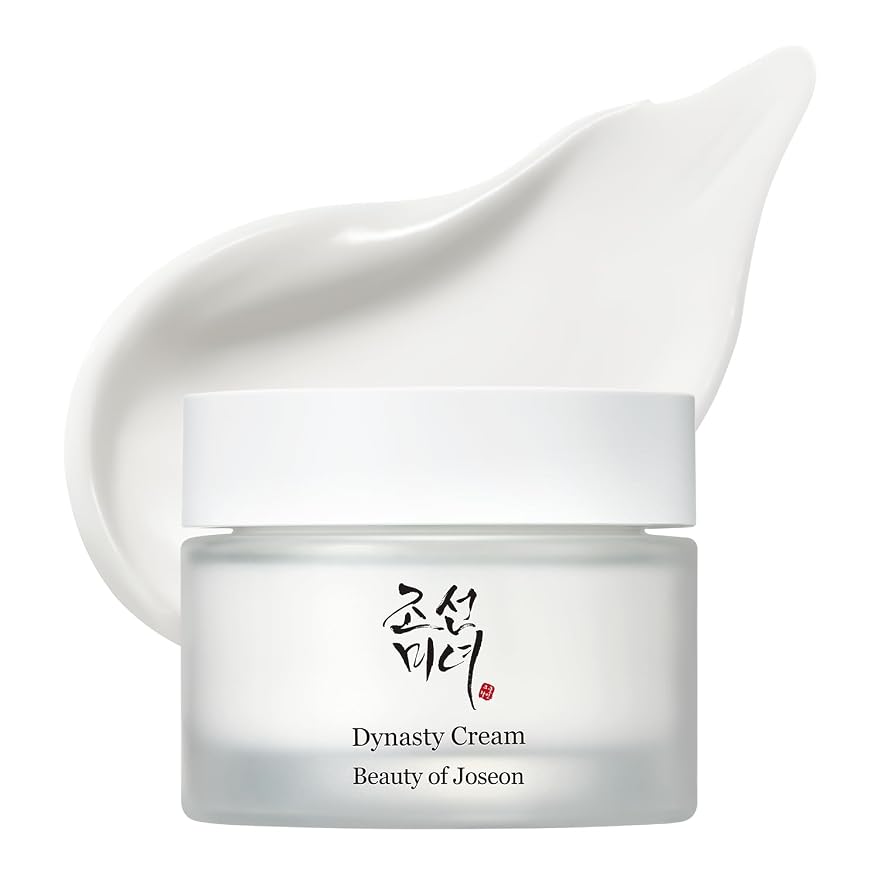
I tried to resist this sunscreen. When every influencer, every Reddit thread, and every K-beauty forum starts chanting the same product name in unison, my skepticism kicks in. I've been burned by viral products before — the ones that photograph beautifully but perform like drugstore filler. But the Beauty of Joseon Relief Sun has now been my daily sunscreen for three months, across two tubes and a humid Bangkok trip, and I need to say it plainly: the hype is real. Here's what makes this sunscreen work, what it doesn't do, and whether it deserves a spot in your routine.
Brand Context: The Sunscreen That Made the Brand
Beauty of Joseon occupies a fascinating position in K-beauty. They launched in 2015 with a hanbang (traditional Korean herbal medicine) concept, but it was the Relief Sun sunscreen — released in 2022 — that turned them from a niche heritage brand into a global phenomenon. The formula was developed in collaboration with influencer Ramón (@glowbyramon), which gave it built-in social credibility from day one. The Relief Sun now anchors the entire brand; every other product in their lineup owes its distribution to the sunscreen's success.
What makes this interesting is that Beauty of Joseon didn't invent a new sunscreen technology. They took existing UV filters, combined them with skin-beneficial ingredients at meaningful concentrations, and packaged it in a lightweight, elegant texture that Western chemical sunscreens had been failing to deliver for years. The result was a sunscreen that people actually wanted to wear — not just tolerate.
The Ingredient Breakdown
The ingredient list is unusually interesting for a sunscreen. The second ingredient, right after water, is Oryza Sativa (Rice) Extract at 30%. This is the formula's backbone. Rice extract is rich in amino acids, B vitamins, and ferulic acid — all of which provide antioxidant protection and mild brightening. Most sunscreens use water and a handful of emollients as their base; using 30% rice extract instead of plain water means the formula delivers skincare benefits from the very first ingredient, not just UV protection. The rice also contributes to the product's characteristically smooth, hydrating texture.
UV Filters: Modern, Photostable, and Global-Grade
The Relief Sun uses four chemical UV filters, all of which are next-generation and photostable:
- Diethylamino Hydroxybenzoyl Hexyl Benzoate (Uvinul A Plus): A broad-spectrum UVA filter with excellent photostability. This is the primary UVA protection in the formula. It's approved in the EU, Asia, and Australia — but not in the US, which is why this sunscreen isn't sold at American drugstores.
- Ethylhexyl Triazone (Uvinul T150): A highly efficient UVB filter that provides strong SPF contribution at low concentrations. It's one of the most photostable UVB filters available.
- Methylene Bis-Benzotriazolyl Tetramethylbutylphenol (Tinosorb M): A hybrid organic filter that works as both a chemical and physical sunscreen. It covers UVA and UVB and provides some visible-light protection. Tinosorb M is also the ingredient that can leave a slight white cast on deeper skin tones — though at the concentration used here, the cast is minimal.
- Diethylhexyl Butamido Triazone (Iscotrizinol): Another broad-spectrum UVB filter with excellent photostability. It works synergistically with Uvinul T150 to boost the overall SPF.
The combination of these four filters is what gives the Relief Sun its SPF50+ PA++++ rating. The PA++++ designation is the highest in the Korean rating system, indicating a PPD (persistent pigment darkening) value of 16 or above — meaning it blocks at least 93% of UVA rays. This is serious protection, not cosmetic SPF.
Skincare Actives: More Than Just Sun Protection
Niacinamide appears at position 8 in the INCI list, suggesting a concentration likely between 2–5%. This is a meaningful amount. Niacinamide is a multi-tasking active: it strengthens the skin barrier, regulates sebum production, reduces inflammation, and inhibits melanosome transfer for brightening. In a sunscreen, it's a clever addition — it addresses the underlying causes of hyperpigmentation while the UV filters prevent new damage. It's also what makes this sunscreen feel like a hybrid skincare product rather than just a protective layer.
The fermented grain complex is the probiotic component of the formula: Lactobacillus/Pumpkin Ferment Extract, Bacillus/Soybean Ferment Extract, Monascus/Rice Ferment, Lactobacillus/Rice Ferment, Aspergillus Ferment, and Saccharomyces/Rice Ferment Filtrate. Fermented ingredients contain amino acids, peptides, and organic acids that can gently exfoliate and support the skin microbiome. The concentrations are low — these appear near the end of the INCI — so they're supporting players rather than transformative actives. But their presence reflects the formula's hanbang heritage and contributes to the overall skin-conditioning effect.
Additional notable ingredients: Camellia Sinensis (Green Tea) Leaf Extract provides antioxidant polyphenols. Panax Ginseng Root Extract is a traditional Korean ingredient with anti-inflammatory and circulation-boosting properties. Adenosine is a cell-communicating ingredient that supports skin repair. Tocopherol (Vitamin E) stabilizes the formula and provides additional antioxidant protection. Glycerin and Butylene Glycol round out the humectant profile, keeping the skin hydrated throughout the day.
What's Notably Absent
No fragrance. No essential oils. No denatured alcohol. No oxybenzone or octinoxate (the older, less stable UV filters that can irritate sensitive skin and damage coral reefs). The preservative system uses 1,2-Hexanediol and Ethylhexylglycerin — both gentle and well-tolerated. This is a thoughtfully formulated product that respects the skin barrier. That said, it is a chemical sunscreen, and some people with extremely reactive skin may still find chemical filters irritating. If you know you react to chemical sunscreens, this probably won't be the exception.
Texture & Application Experience
The texture is the Relief Sun's strongest selling point. It's a lightweight cream — not a gel, not a milk, not a heavy cream — that spreads across the skin like a moisturizer. There's no tugging, no pilling, and no oiliness. A single pump-and-a-half covers my face and neck, and absorption takes about 30–45 seconds. The finish is a natural, healthy-looking glow that I'd describe as "hydrated" rather than "greasy."
On my combination skin (oily T-zone, normal cheeks), the Relief Sun doesn't make me look shiny by midday, which is rare for a chemical sunscreen. There's a slight dewiness that I actually like — it makes my skin look healthy rather than flat. If you prefer a completely matte finish, you'll need powder on top, but for most people, the finish is exactly what you'd want from a daily sunscreen.
White cast: The Tinosorb M in the formula can leave a faint white cast on deeper skin tones, particularly on Fitzpatrick types V and VI. On my warm olive skin (roughly Fitzpatrick III–IV), I see no cast at all once it's rubbed in. The rice extract and the relatively low concentration of Tinosorb M keep the cast minimal, but it's not zero. If you have deep skin and are sensitive to white cast, patch test first.
Under makeup: This is where the Relief Sun truly shines. It layers beautifully under foundation, tinted moisturizer, and concealer. No pilling, no separation, no weird texture when I apply makeup on top. In fact, the hydrating finish seems to help my foundation apply more smoothly. I've used it under at least six different base products and it's never caused an issue. This is the sunscreen you reach for when you're doing a full face.
Two-Week Wear Test
Skin context: Combination skin, warm olive tone, currently using tretinoin 0.025% three nights per week. Living in a humid climate with daily UV index between 8–11.
Week 1: I applied the Relief Sun every morning as my final skincare step, over a vitamin C serum and a light moisturizer. The immediate sensation was comfort — it felt like applying a nice moisturizer, not a sunscreen. No stinging around the eyes, which is my usual litmus test. Most chemical sunscreens make my eyes water within an hour; the Relief Sun didn't trigger any irritation all week. I reapplied once on days when I was outdoors for more than two hours (on top of light makeup — it layered fine without disturbing my base). No breakouts, no clogged pores, no new texture issues.
Week 2: I pushed the wear test harder. I used it on tretinoin-recovery mornings (day 2 post-tretinoin, when my skin is most sensitive) and still experienced zero stinging. I wore it during a 4-hour outdoor event in direct sun and didn't burn or tan — though I did reapply once at the 2-hour mark. The hydration held up well; my skin didn't feel tight or dry by the end of the day, which I attribute to the glycerin and rice extract base. I also noticed that the mild PIH on my left cheek looked slightly lighter by the end of the two weeks. This is likely the niacinamide at work rather than the sunscreen itself, but it's a real benefit of wearing a sunscreen with active skincare ingredients.
Eye area: I applied it directly on my eyelids and under-eyes. No stinging, no redness, no watering. This is genuinely impressive for a chemical sunscreen. The absence of fragrance and alcohol likely contributes to the eye comfort.
Reapplication: The Relief Sun reapplies well. On bare skin, it's straightforward — just apply another layer. Over light makeup, I patted it on with my fingers and it blended without disturbing my base. Over full foundation, it's trickier (as with any sunscreen), but a cushion puff works reasonably well. The texture doesn't ball up or pill on reapplication, which is a common failure point for other sunscreens.
Pros & Cons
- 30% rice extract base: Not a marketing gimmick — it replaces water as the main vehicle and delivers genuine antioxidant and hydrating benefits.
- Four modern, photostable UV filters: Uvinul A Plus, Uvinul T150, Tinosorb M, and Iscotrizinol. SPF50+ PA++++. This is full-spectrum, next-generation protection.
- Functional niacinamide concentration: Positioned at spot 8 in the INCI, likely 2–5%. Provides real brightening and barrier support.
- Zero eye sting: Fragrance-free, alcohol-free, and well-formulated. I applied it directly on my eyelids with no irritation.
- Elegant, moisturizer-like texture: Lightweight cream that spreads easily, absorbs quickly, and leaves a natural glow rather than grease.
- Excellent makeup compatibility: No pilling, no separation, no weird texture. Works under everything I've tried.
- Fragrance-free and alcohol-free: Safe for sensitive skin and tretinoin users.
- Price: Roughly $10–$18 for 50ml. Exceptional value for the protection and skincare benefits.
- Not water-resistant: This is a daily sunscreen, not a sport or beach sunscreen. It will come off with sweat and water. If you need heavy-duty water resistance, look elsewhere.
- Faint white cast on deeper skin: Tinosorb M can leave a subtle cast on Fitzpatrick V–VI. It's minimal but not zero.
- Not matte: The finish is dewy. Oily skin types may need powder, especially in humid climates.
- Chemical filters only: If your skin is reactive to chemical sunscreens, this isn't the exception. It's gentler than most, but it's still chemical.
- Not US-accessible at retail: The advanced UV filters aren't FDA-approved, so you won't find this at Target or CVS. You'll need to order from Korean retailers.
- Fermented ingredients: While generally beneficial, ferments can trigger fungal acne in susceptible individuals. Patch test if you're prone to malassezia-related breakouts.
Who Is This For?
Best fit: Anyone who wants a daily sunscreen they'll actually enjoy wearing. The Relief Sun is ideal for normal to combination skin, sensitive skin (thanks to the fragrance-free, alcohol-free formula), and tretinoin users who need gentle sun protection. The moisturizing, non-stinging texture makes it a particularly good choice for people who've struggled to find a chemical sunscreen that doesn't irritate their eyes or skin. It's also excellent for those who want skincare benefits (niacinamide, antioxidants, fermented ingredients) built into their SPF.
Limitations: Not the right choice for beach days, swimming, or heavy sweating — it's not water-resistant. Oily skin types in humid climates may find the dewy finish too much by midday. Deep skin tones (Fitzpatrick V–VI) should test for Tinosorb M white cast. And anyone with fungal acne or known sensitivity to fermented ingredients should approach with caution.
Excellent for: Daily wear, office commutes, casual outdoor time, under makeup, sensitive eyes, post-procedure skin (patch test first), and anyone building a consistent sunscreen habit who needs a product that doesn't feel like a chore.
Price & Where to Buy
The Relief Sun typically retails for ₩18,000–₩22,000 in Korea and $10–$18 USD internationally for 50ml. The 50ml tube is larger than the standard 40ml sunscreen format, and the price per milliliter is competitive — roughly $0.20–$0.36 per ml, which is well below what you'd pay for comparable Western sunscreens like Supergoop Unseen ($36/50ml) or La Roche-Posay Anthelios ($30+/50ml).
Where to buy: Olive Young Global (fast shipping, reliable authenticity), YesStyle, Stylevana (often the cheapest with sales but slow shipping), and Amazon (Beauty of Joseon's official storefront only — there are counterfeits on third-party listings). The brand's own website ships internationally but is often more expensive than the Korean retailers. Stylevana frequently has the best price during sales events, sometimes dropping to $8–$10 per tube.
Counterfeit warning: This is one of the most counterfeited K-beauty products on the market. Buy from authorized retailers only. If the price is under $8, it's almost certainly fake. Check the packaging: authentic tubes have a matte finish with crisp, dark brown text, and the product inside should be a light beige cream with a subtle rice scent — not white, not watery, and not fragranced.
Comparison Notes
Against Round Lab Birch Juice Sunscreen SPF50+: Round Lab's sunscreen is the Relief Sun's closest competitor — both are Korean chemical sunscreens with skincare ingredients, similar price points, and dewy finishes. Round Lab uses birch juice instead of rice extract and has a slightly lighter, more watery texture. The Relief Sun has better niacinamide concentration and eye comfort. Pick Round Lab if you prefer a lighter texture; pick Relief Sun if you want more skincare actives and better eye tolerance.
Against Supergoop Unseen Sunscreen SPF40: Supergoop Unseen is a clear, silicone-based gel with a completely matte, primer-like finish. It's the better choice for oily skin and for people who want zero glow. But it's $36 for 50ml, offers only SPF40 (not 50+), and has no skincare actives. The Relief Sun is $10–$18 for the same volume, provides stronger protection, and includes niacinamide and antioxidants. Unless you specifically need the matte, silicone finish, the Relief Sun is the better value.
Against Skin1004 Madagascar Centella Hyalu-Cica Water-Fit Sun Serum SPF50+: Skin1004's sunscreen is even lighter than the Relief Sun — a true serum texture — and leans heavily on centella asiatica for calming. It's a great choice for oily, acne-prone skin and people who want the lightest possible texture. The Relief Sun is more moisturizing and has better brightening credentials (niacinamide + rice). If you're oily and acne-prone, Skin1004 wins. If you're normal to combination and want skincare benefits, Relief Sun is the better choice.
Final Verdict
The Beauty of Joseon Relief Sun earned its reputation. It's not a perfect product — no sunscreen is — but it's the closest thing to a daily sunscreen that you'll actually look forward to applying. The combination of modern UV filters, a 30% rice extract base, functional niacinamide, and a genuinely elegant texture puts it in a category that most Western sunscreens haven't reached. The fact that it costs $10–$18 makes it borderline unfair to competitors.
The weaknesses are real but manageable: it's not water-resistant, it has a faint white cast on deeper skin, and the dewy finish won't suit everyone. But these are trade-offs, not dealbreakers. For daily wear — the kind of sunscreen you put on every morning, rain or shine, whether you're going outside or sitting by a window — the Relief Sun is the best I've used. It's been my daily sunscreen for three months and I don't see that changing anytime soon. If you've been struggling to find a sunscreen you'll actually wear consistently, start here.