
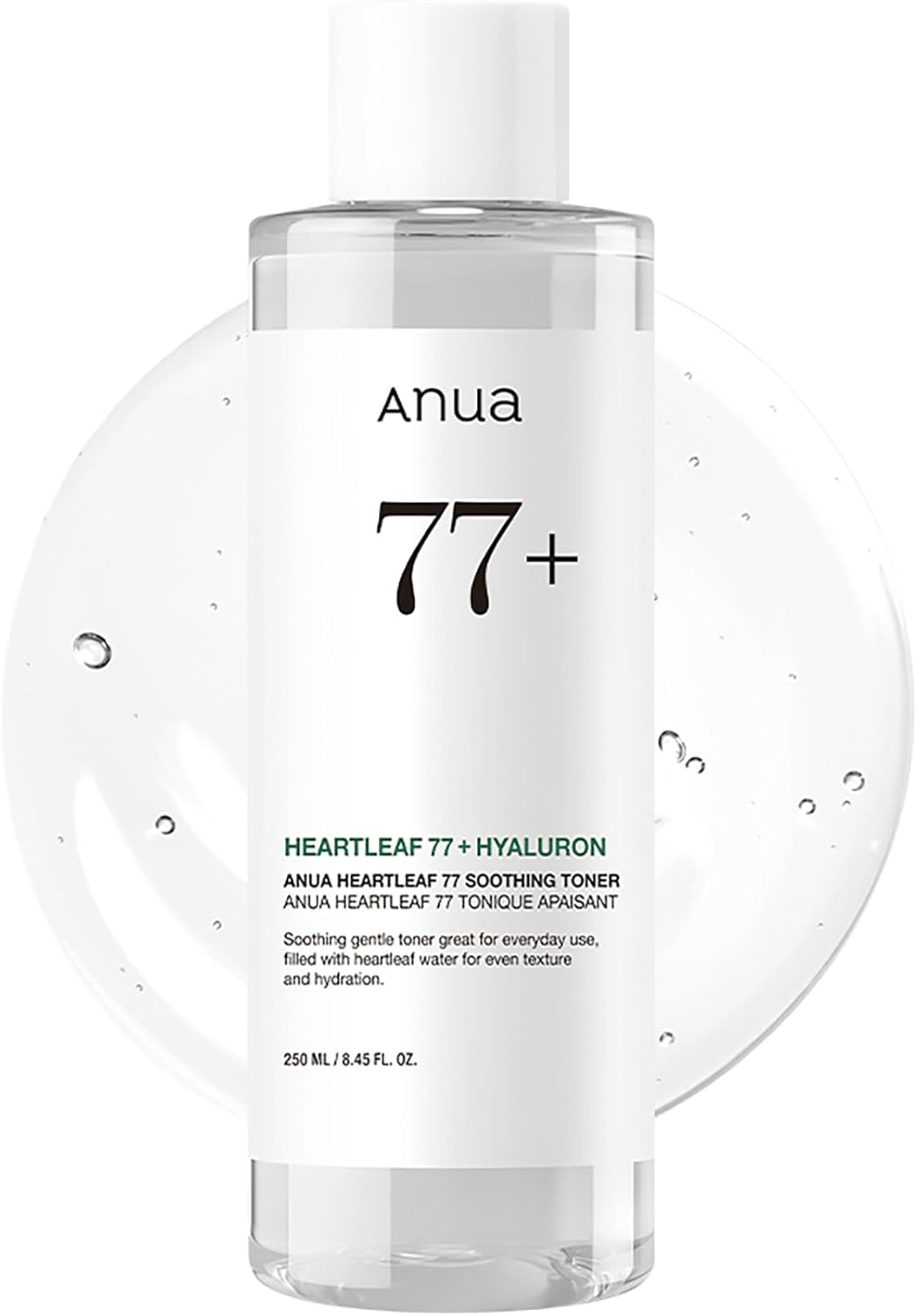
Introduction: Why This Toner Broke the Internet
If you've spent any time on skincare TikTok or Instagram over the past year, you've almost certainly seen the Anua Heartleaf 77% Soothing Toner. With its clean, minimalist packaging and a seemingly impossible number of five-star reviews across YesStyle, Olive Young, and Amazon, this toner has become the poster child for the "quiet luxury" movement in K-beauty — products that do one thing exceptionally well, without the marketing fluff.
But as anyone who's been burned by viral skincare knows, popularity doesn't always equal performance. I've personally watched dozens of hyped products crash and burn on my stubborn, acne-prone skin. So when the Anua toner kept appearing in dermatologist recommendations and acne-sufferer testimonials alike, I decided to give it a proper four-week trial — no shortcuts, no half-measures, and no bias. Here's what happened.
What Is Heartleaf, and Why Should You Care?
Before we talk about the toner itself, let's talk about the ingredient that makes it special: Houttuynia cordata, commonly known as heartleaf. This herb has been a staple in traditional Korean and Chinese medicine for centuries, prized for its anti-inflammatory, antibacterial, and antioxidant properties. In modern skincare science, heartleaf extract has demonstrated meaningful efficacy in several areas that matter enormously for acne-prone skin.
The Science Behind Heartleaf
Houttuynia cordata contains flavonoids like quercetin and rutin, which are potent anti-inflammatory compounds. It also produces sodium houttuyfonate, a derivative with documented antimicrobial activity against Cutibacterium acnes — the bacteria primarily responsible for acne lesions. A 2021 study published in the Journal of Ethnopharmacology found that heartleaf extract significantly reduced inflammatory markers in skin cells, making it one of the most promising botanical ingredients for treating and preventing breakouts.